

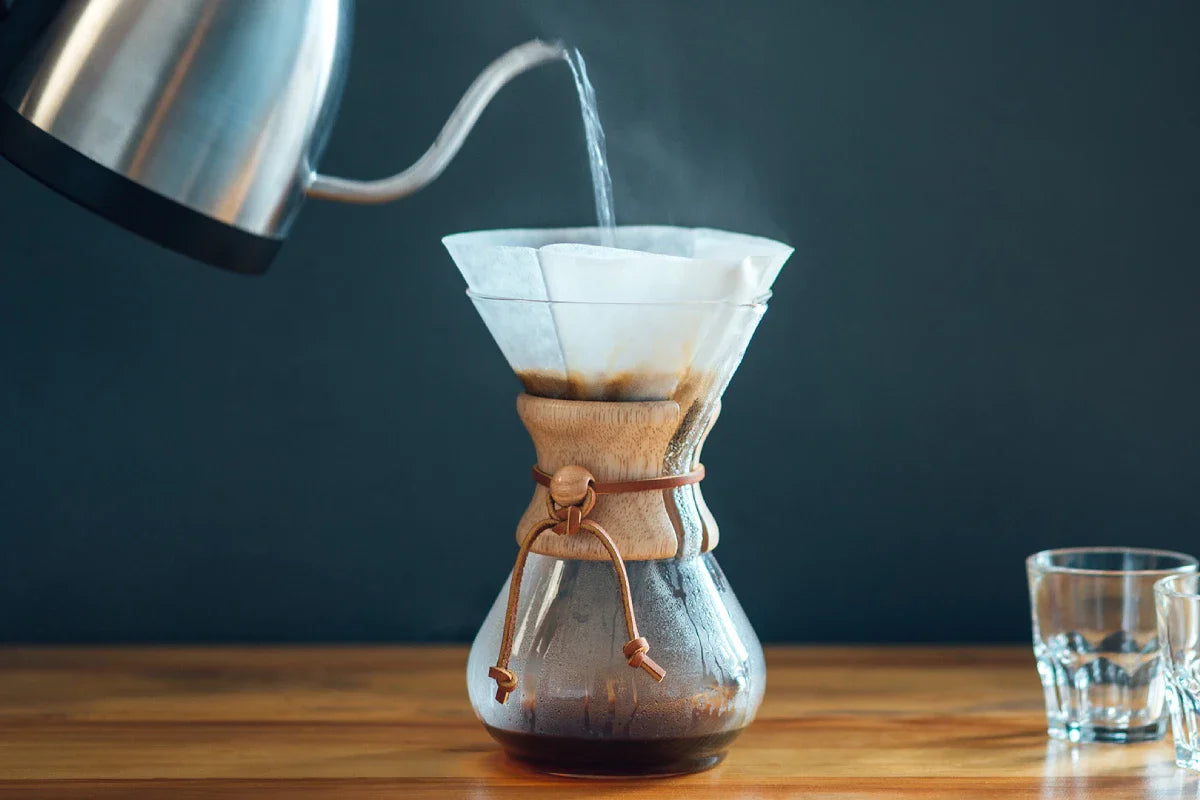
Coffee to water ratio: master your home extraction today
Achieving a balanced taste in your morning cup depends on the exact amount of ingredients you use. Many people struggle with a brew that feels either too weak or too harsh in the mouth. In fact, a poor coffee to water ratio is the most frequent cause of inconsistent results at home. For this reason, understanding the math behind the extraction process is vital for every serious coffee enthusiast. This guide explains the technical steps to reach a professional standard without using complex or confusing terminology.
The impact of a precise coffee to water ratio on favor
The relationship between the weight of your beans and the liquid defines the overall intensity of the brew. Therefore, a precise formula ensures that the water extracts the right amount of soluble compounds from the roast. In addition, the mesquite heat from the Sonoran Desert creates a smooth profile that remains consistent under different conditions. Proper balance prevents the bitter notes that often plague industrial or low-quality commercial beans in the market. You can achieve excellent results by using beans from HUUPA Coffee.
The technical definition of the golden formula
Baristas often refer to a specific range of measurements to produce a clean and highly aromatic final beverage. Most experts suggest a standard coffee to water ratio of one gram for every fifteen grams of liquid (Omni Calculator, 2026). In addition, this standard allows the unique attributes of a Mexican origin to stand out without any interference. As a result, using a stable foundation helps you avoid the common mistakes that ruin the morning experience. Precise math is the most functional tool for anyone who wants a shop-level cup in their kitchen.
How a balanced coffee to water ratio changes your results
Small deviations in the weight of your grounds can lead to a significant shift in the sensory profile. For example, adding too much water will result in a thin beverage that lacks a clear aromatic structure. On the other hand, a high concentration of grounds creates a heavy mouthfeel with excessive and unpleasant acidity. Thus, the coffee to water ratio serves as a roadmap for consistent and predictable quality every single day. Accurate measurements provide the clarity needed to appreciate the craftsmanship behind your favorite premium beans.
The best manual brewing methods for your morning routine
Different tools require specific adjustments to ensure the water passes through the bed at a proper speed. The immersion time of a French press demands a different approach than a fast pour-over system. Maintaining a perfect coffee to water ratio prevents the water from pulling out unwanted tannins (Brewide, 2026).
Each method has a specific goal that requires a unique and well-calculated set of measurements for success. Furthermore, you must follow these standards to avoid a dry sensation in the throat:
-
A standard drip machine works best with a formula that emphasizes a balanced and clean extraction.
-
French press users often prefer a tighter setup to highlight the body and the natural oils.
-
Pour-over enthusiasts use a wider spread to showcase the delicate floral and citrus notes of the beans.
Recording your data is a highly effective way to refine your palate over time. In summary, small adjustments in this step lead to significant improvements in the overall balance and aroma.
Calculating a consistent coffee to water ratio with a scale
Weight is much more accurate than volume because beans have different sizes and densities depending on the roast. For this reason, a digital scale provides the most reliable way to maintain a perfect coffee to water ratio. Moreover, this tool removes the guesswork that often leads to frustration when the taste feels off or inconsistent. Measuring in grams ensures that every cup has the same level of strength and balance as the previous one. This technical habit is a hallmark of the modern specialty movement and a strict requirement for quality.
How a wrong formula creates a bad taste in the cup
If your brew tastes too bitter, the water might be extracting too many compounds from a small amount. Conversely, a sour or salty taste indicates that the water did not have enough contact with the grounds. In fact, an incorrect coffee to water ratio is often the hidden culprit behind a disappointing morning beverage experience. To fix this, you must analyze your current recipe and understand how to make coffee with proper weight adjustments (FNB Coffee, 2026). For this reason, keeping a simple log of your measurements helps you find the perfect sweet spot.
Finding the best coffee to water ratio for your taste
Individuals have unique preferences when it comes to the intensity of the flavors they enjoy in the morning:
-
Reduce the water volume to create a bolder cup with a much more syrupy and thick texture.
-
Increase the liquid amount to produce a lighter beverage that highlights the subtle acidity of the origin.
-
Keep the water temperature stable to ensure the extraction rate remains constant during the whole process.
These modifications allow you to tailor the final result to your specific sensory needs without losing the balance. Moreover, this flexibility is a major advantage of preparing your own craft beverage from a Mexican source.
A quick chart for the perfect daily extraction
Using a reference guide helps you calculate the right amounts for different serving sizes without doing complex math. For example, a single cup typically requires around fifteen to seventeen grams of beans for a balanced result. Furthermore, maintaining a stable coffee to water ratio ensures that the unique mesquite-roasted profile remains clear and distinct. Most home brewers find that a formula based on grams is the most versatile option for a wide variety of methods. Thus, a simple chart acts as a functional tool for your daily routine to save valuable time.
Factors that interfere with an accurate coffee to water ratio
Human error and inconsistent tools are the most common obstacles to achieving a professional and clean extraction level. For instance, using a standard tablespoon instead of a scale can lead to a twenty percent margin of error. This variance ruins the coffee to water ratio and prevents the true character of the beans from emerging (The Spruce Eats, 2026). Because of this, investing in a basic scale is a highly practical choice for anyone seeking a better cup. Consistency is the only way to guarantee that your wood-fired beans perform at their absolute peak.
The importance of precision in Mexican wood-fired roasts
Premium beans from Mexico possess delicate profiles that can be easily overwhelmed by a poor or unbalanced extraction. A wood-fired roast has a smoother and more nuanced character that requires a very precise and stable formula. As a result, the coffee to water ratio must stay within the professional range to avoid masking the sweetness. Our beans from the Sonoran Desert provide a rich experience that rewards those who pay close attention to detail. This focus on the process ensures that you receive the full value of a handcrafted and unique product.
A professional coffee to water ratio for home brewing
Refining your process involves more than just numbers; it requires a commitment to cleanliness and proper technical maintenance:
-
Knowing how to clean a coffee maker ensures that the flow of water remains steady and predictable.
-
An obstructed machine can alter the coffee to water ratio by trapping liquid or changing the contact time (Homegrounds, 2026).
-
Removing old oils prevents rancid flavors from contaminating the fresh notes of your new premium roast.
Thus, a pristine station is a functional part of the overall extraction strategy for a professional result. These small habits combine to create a much more sophisticated and enjoyable sensory experience in your home kitchen.
Mastering your home station for a better lifestyle
Taking control of your brewing variables transforms a simple task into a moment of true clarity and craft. Once you master the coffee to water ratio, you can explore the diverse world of specialty origins with confidence.
Furthermore, this knowledge allows you to appreciate the immense difference that a wood-fired mesquite roast makes in the cup. We invite you to explore our blog for more guides on how to perfect your station and technique. Achieving the perfect balance is a journey that starts with a single precise measurement and a great bean.
References
- Brewide. (2026). Coffee to Water Ratio Guide: The Right Ratio for Every Brew Method.
- FNB Coffee. (2026). Coffee to Water Ratio: Weight-First Brewing.
- Homegrounds. (2026). Coffee To Water Ratio Calculator & Guide.
- Omni Calculator. (2026). Coffee to Water Ratio Calculator.
- The Spruce Eats. (2026). How to Measure Coffee for the Perfect Cup.