

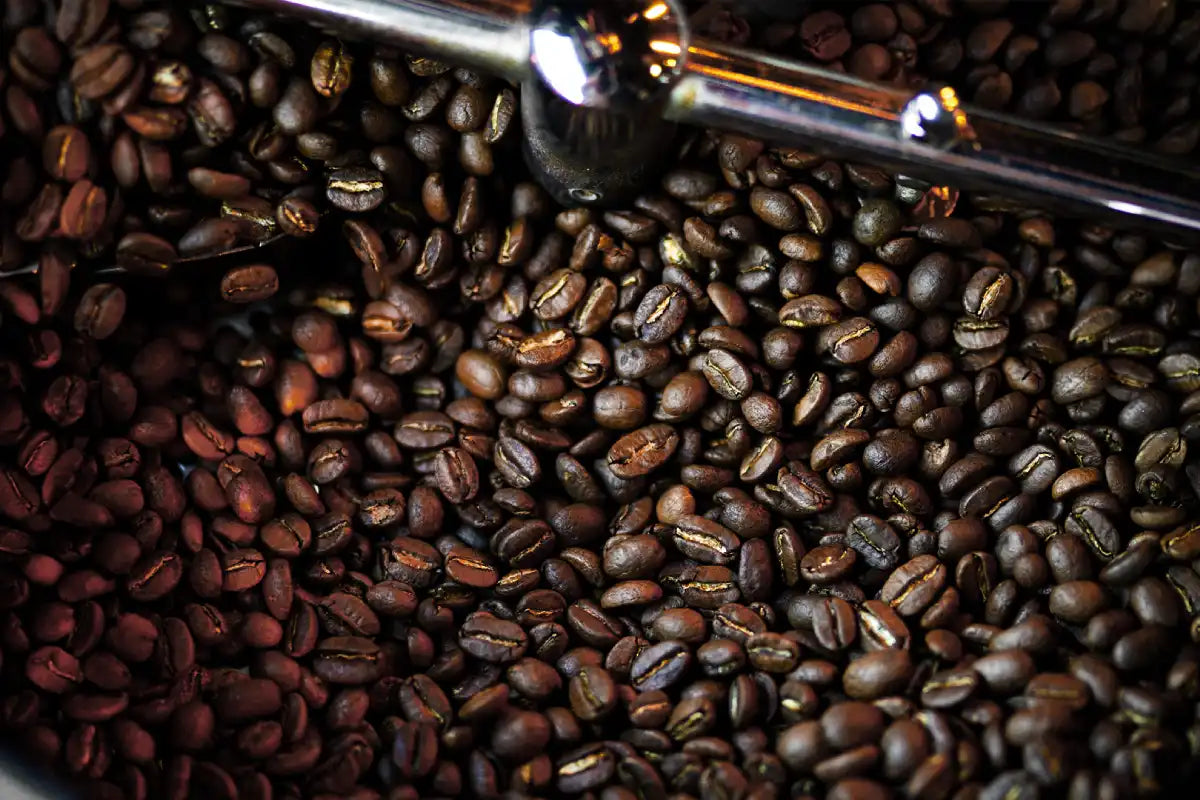
Freshly roasted coffee: the key to elevating your morning ritual
Freshly roasted coffee serves as the vital bridge between a simple morning routine and a genuine sensory discovery. When you select beans that were recently prepared, you actively preserve the delicate aromatic oils and volatile flavor compounds that define a superior experience. Choosing this path effectively elevates your daily ritual, transforming a mundane caffeine intake into a deliberate moment of appreciation for the bean’s origin. Our wood-fired approach, utilizing mesquite from the Sonoran Desert, further enhances this unique character, ensuring that every cup delivers the distinct personality required by a discerning palate.
What is freshly roasted coffee?
To truly grasp quality, you must recognize what defines a fresh product. At its core, this refers to beans that retain the complex aromatic oils created during the roasting process. When coffee sits for too long, oxygen, light, and heat slowly steal the sweetness and fragrance that make a cup feel alive.
The contrast between these beans and store-bought alternatives is striking. Industrial coffee often tastes flat because it has been subjected to months of oxidation. In contrast, fresh beans release a vibrant, complex fragrance immediately upon grinding, signaling that the flavor remains intact. Discerning drinkers should prioritize the roast date, as it acts as a starting point to manage expectations and ensure the best brewing results.
Why freshly roasted coffee tastes better
The science of superior flavor relies entirely on preservation. When beans are handled with care, they maintain a specific spark that makes each sip feel truly alive. Fragrance acts as a primary indicator of quality, and it is unfortunately one of the first elements lost to time.
-
Oxygen serves as the ultimate enemy of any roasted bean, triggering chemical changes that result in a rapid loss of body and sweetness.
-
A truly fresh cup provides a sensory experience that stale beans simply cannot replicate, offering brightness and clarity.
-
Choosing freshly prepared beans is the most effective way to protect the integrity of your morning ritual.
As these volatile compounds evaporate, coffee loses its unique identity and becomes a generic, uninspired beverage. Therefore, making an informed choice about your coffee source is essential for protecting the integrity of your morning cup.
How long does freshly roasted coffee stay fresh?
Understanding the optimal timeline helps you avoid waste while maximizing your enjoyment. Whole bean coffee typically remains at its peak flavor for two to four weeks after roasting, provided it is handled correctly. During this window, the bean structure protects its inner oils, keeping the flavor profile stable and robust.
Ground coffee, however, loses its quality much faster because the surface area exposed to oxygen increases exponentially. Ideally, ground beans should be consumed within minutes or hours of preparation to ensure maximum flavor retention. The environment in which you store your coffee also dictates its longevity. To protect your investment, always keep beans in an airtight, opaque container away from direct sunlight and heat, as these elements accelerate the aging process. By managing these variables, you can extend the life of your favorite beans considerably.
Can coffee be too fresh?
Surprisingly, there is such a thing as "too fresh" when it comes to brewing. Immediately after roasting, beans are saturated with carbon dioxide trapped deep within their cellular structure. This gas must escape through a process known as degassing, or it will interfere with the water's ability to extract flavor properly during the brew.
-
Degassing is essential for flavor development, as it balances the chemical environment within the bean.
-
Most experts suggest waiting 48 hours to a week after the roast date before brewing.
-
This resting period allows the coffee to mature, ensuring the final cup is balanced rather than harsh or overly acidic.
Understanding this natural evolution demonstrates a sophisticated appreciation for the roasting craft, guaranteeing that you get the most out of every single batch you purchase.
Roast date vs. expiration date
Product labels can be confusing, but the distinction between these two dates is vital for any coffee lover. A roast date serves as a mark of transparency from the roaster, acting as a clear starting point to track the age of the coffee with precision.
Many mass-produced bags feature "best-by" dates that extend many months into the future. Unfortunately, these dates rarely reflect peak flavor and are often used primarily for inventory management rather than to indicate when the coffee actually tastes good. Always verify that your roaster provides a clear roast date, as this is the only reliable indicator of freshness. If you are learning how to make strong coffee at home, starting with recently roasted, traceable beans is the most important step. Moving away from expiration-date reliance forces you to prioritize quality over arbitrary numbers, which is a fundamental shift for anyone serious about improving their home brewing setup.
How to tell if coffee beans are stale
Identifying coffee's age is straightforward if you pay attention to the sensory signs. If you open a bag and notice the aroma is weak, dusty, or faint, the essential oils have likely disappeared. A hollow, one-dimensional flavor or a persistent, unpleasant bitterness that lingers on the tongue are also clear indicators of staleness. Also, you must consider the following:
-
Look for a lack of body and texture; stale coffee often feels thin, dry, and lifeless in the mouth.
-
If you pour hot water over the grounds and observe no "bloom" or bubbling, the beans have lost their vitality.
-
These physical indicators act as a sensory checklist for evaluating the state of your coffee.
Once you learn these signs, you become better equipped to discard subpar products, and your palate will quickly adapt to distinguish between vibrant, fresh beans and those that have long since passed their prime.
Freshly roasted coffee and why freshness matters for Mexican coffee
Our identity is deeply rooted in the distinct personality of Mexican beans. Mexican coffee from specific micro-climates offers unique profiles that require careful handling to preserve. By roasting and shipping quickly, we preserve the distinct terroir that makes Mexican coffee a highly sought-after choice.
The natural sugars in these beans are delicate and easily degraded over time. Freshness ensures these subtle sweetness profiles remain intact, providing a balanced and smooth experience. At Huupa Coffee, our process of using mesquite wood is central to our identity. Because this unique roasting method creates such a specific flavor profile, freshness is non-negotiable to maintain that signature Mexican fuego. By focusing on freshness, we ensure that the nuances of our unique process are always front and center, protecting the soul of the coffee before it reaches your cup.
Don’t settle for coffee that tastes like it gave up weeks ago. Explore Huupa Coffee USA and discover Mexican coffee roasted with mesquite wood — bold, aromatic, and made to bring fresh flavor back to your daily cup.
Is freshly roasted coffee worth it?
Prioritizing freshness transforms your entire relationship with coffee by offering undeniable benefits. You will immediately notice a superior, immersive aroma that fills your space as you begin the brewing process. Because the flavor is not masked by oxidation, the unique notes of the origin shine through with complete clarity.
-
This practice turns your daily routine into a deliberate, rewarding ritual.
-
Paying for freshness is the only way to properly honor the intense work behind the harvest and the craft of the roast.
-
Investing in quality is a commitment to a better morning standard.
It is about choosing quality over convenience, ensuring that every single sip you take is purposeful and genuinely satisfying.
How to keep freshly roasted coffee fresh longer
To maximize the life of your beans, follow simple but effective care habits. Always maintain your coffee in a dark, cool place, effectively protecting it from light, heat, and moisture. Choosing to purchase whole beans is also a critical decision, as grinding them just before preparation remains the most effective strategy to lock in flavor.
We also recommend buying only the specific amount you will realistically consume within two to three weeks to avoid having stale coffee sit on your counter. Treat your coffee with the same professional care as any other fresh ingredient. Consistency in maintenance is the hidden secret of true coffee enthusiasts who never settle for mediocre beans. By treating your beans with care, you prolong the enjoyment of your chosen roast, ultimately giving your coffee the same respect that went into its original cultivation.
Fresh coffee is not just about timing. It is about protecting the aroma, flavor, and soul of the beans before they ever reach your cup. Discover Huupa Coffee USA and taste Mexican coffee roasted with mesquite wood; fresh, bold, and ready to wake up your mornings with real flavor.
References
- COPAN Coffee Roasters. (2026). How long do coffee beans stay fresh? A roaster's guide to coffee storage.
- Expert Café. (2026). Roast freshness guide: Degassing, optimal window, storage.
- Expert Café. (2026). Why choose freshly roasted coffee?
- Grenade Coffee. (2026, 17 de junio). The freshness lie: Why "Roasted On" is the only date that matters.