

Chiapas coffee: what makes this Mexican-origin coffee special
What makes Chiapas coffee worth trying? It combines mountain-grown character, balanced sweetness, and a distinctive Mexican sense of place.
From Mexico’s southern highlands, these beans can produce cups that feel smooth, aromatic, bright, and well-structured. Altitude, rainfall, shade, and careful processing shape the flavor before roasting begins. Huupa then adds its signature approach: wood-fired roasting with mesquite from the Sonoran Desert, creating a distinct profile without suggesting smoky aromas or flavors.
What is Chiapas coffee?
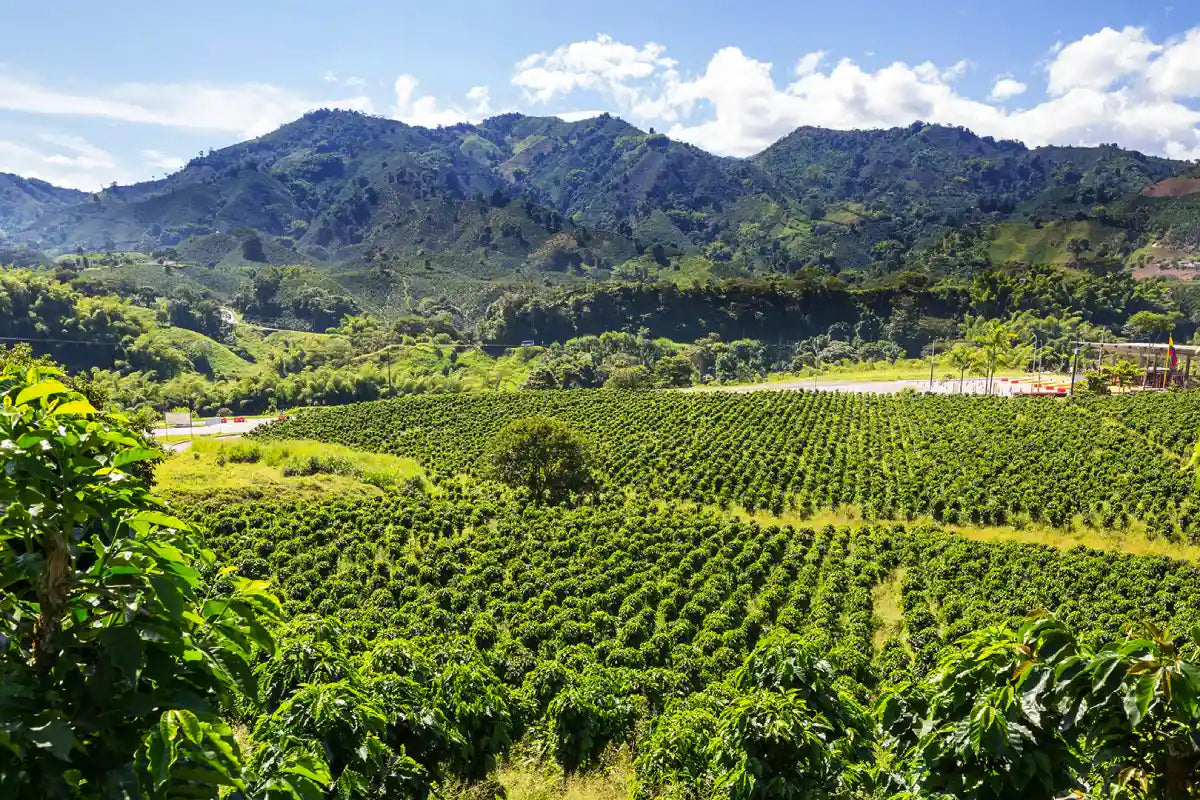
Chiapas coffee comes from Mexico’s southernmost coffee-growing state, especially areas near the Sierra Madre and Soconusco. These landscapes include humid slopes, volcanic soils, forest shade, and elevations that support Arabica production.
At the coffee shop of Huppa, shoppers can compare coffees from Soconusco, Tapachula, and other Mexican regions. That origin clarity matters because location, variety, processing, and roast all influence the final cup.
In simple terms, the Chiapas origin usually offers an approachable balance between brightness, sweetness, and structure. However, no single profile represents every farm, harvest, or roast.
Why is Chiapas known for coffee?
Chiapas is one of Mexico’s principal coffee-producing states, alongside Veracruz, Puebla, and Oaxaca (World Coffee Research, n.d.). Its southern mountain ranges provide elevation, abundant rainfall, and cooler growing conditions in many producing zones.
Those factors can slow cherry maturation and support more developed sugars and aromatic compounds. Meanwhile, shade trees can protect plants, moderate temperatures, and support biodiversity across coffee landscapes.
The state also has a long coffee-growing tradition involving estates, cooperatives, and smallholder producers. That diversity creates many processing styles and cup profiles rather than one rigid regional formula.
Because of this combination, mountain-grown coffee from Chiapas often feels expressive without becoming difficult to enjoy. It can suit both curious beginners and experienced coffee drinkers.
For buyers, that balance makes regional character easier to recognize across several brewing methods and routines. Moreover, careful roasting can preserve sweetness while building enough structure for espresso, milk drinks, or weekend brews.
What does Chiapas coffee taste like?
Chiapas coffee often presents a smooth body, gentle brightness, balanced sweetness, and a clean finish. Common descriptions include chocolate, nuts, caramel, citrus, and soft fruit.
Still, flavor depends on farm, altitude, variety, processing, roast level, and brewing method. Therefore, tasting notes should guide expectations rather than promise identical results in every cup.
Many roasted profiles emphasize cacao notes and nutty sweetness, while lighter approaches can highlight citrus or floral elements. Medium roasts often preserve regional character while adding roundness and structure.
For American drinkers, the appeal lies in versatility. The coffee can work in drip machines, pour-over brewers, French presses, or home espresso setups.
Is Chiapas coffee of good quality?
Yes, Chiapas coffee can offer excellent quality when producers, processors, and roasters handle it carefully. However, origin alone never guarantees a superior cup.
Quality depends on ripe cherry selection, processing consistency, drying, storage, export conditions, roasting, and freshness. Each stage either protects or reduces the coffee’s potential.
When shopping, look for transparent region details, roast information, tasting notes, and clear preparation guidance. Those signals help you judge whether the seller understands the coffee beyond marketing language.
Mexico remains among the world’s top coffee exporters, with much production concentrated in Chiapas and other southern states (World Coffee Research, n.d.). Even so, individual lots vary widely.
Controlled processing has produced specialty-level scores above 80 points in Mexican coffee samples. Still, scores never replace taste; freshness, suitable grinding, and thoughtful preparation remain equally important for enjoyment.
Chiapas coffee vs. other Mexican coffee
Mexican coffee changes noticeably by region. Climate, elevation, varieties, and local processing create meaningful differences, though every comparison remains a general guide.
-
Chiapas vs. Veracruz coffee. Chiapas often feels chocolate-forward and balanced, while Veracruz may show floral, nutty, or brighter aromatic qualities.
-
Chiapas vs. Oaxaca coffee. Chiapas frequently delivers round sweetness and structure, while Oaxaca may lean softer, floral, or delicately fruity.
-
Which Mexican coffee origin should you try first? Choose Chiapas for balance, Oaxaca for delicacy, or Veracruz for aromatic range.
These are starting points, not fixed rules. Roast style can easily shift the experience more than regional expectations. When comparing origins, start with flavors you already enjoy, then use region as a practical next step.
Chocolate and nut preferences may point toward Chiapas, while floral preferences may favor lighter regional expressions.
Chiapas coffee vs. Colombian and Guatemalan coffee
Comparing origins helps clarify preferences, but country labels still cover enormous diversity. Use these distinctions as directional cues, not absolute definitions.
-
Flavor differences. Chiapas may emphasize chocolate, nuts, and gentle citrus; Colombian coffees often show caramel and fruit; Guatemalan coffees can feel structured and spicy.
-
Body, acidity, and sweetness. Chiapas often balances medium body with moderate brightness, while Guatemala may feel firmer and Colombia more fruit-forward.
-
Best choice based on your taste. Choose Chiapas for balance, Colombia for juicy sweetness, or Guatemala for deeper structure and spice.
For many drinkers, Mexican coffee beans offer a familiar foundation with enough regional detail to remain interesting.
How Huupa brings Mexican coffee character to the USA?
Huupa presents Mexican-origin coffee through a process designed around differentiation, clarity, and flavor. The brand roasts with mesquite wood from the Sonoran Desert, creating a distinctive profile without framing the coffee as smoky.
That approach connects two Mexican landscapes: coffee-growing mountains and northern desert mesquite. More importantly, it gives American shoppers a clear reason to explore beyond familiar origin categories.
Huupa’s USA collection includes coffees from Chiapas, Oaxaca, and Veracruz, allowing buyers to compare Mexican regions directly. The product experience stays focused on origin, roast, freshness, and practical brewing choices.
Want Mexican coffee beyond the usual cup? Explore Huupa Coffee USA and taste bold, aromatic character shaped by Mexican origin and mesquite wood-fired roasting.
Who should try Chiapas coffee?
This origin fits drinkers who want flavor clarity without an overly sharp or demanding profile. It also works well for people exploring Mexico beyond familiar categories.
-
Coffee drinkers who like smooth and balanced cups. Chiapas can combine sweetness, medium structure, and gentle brightness without overwhelming the palate.
-
Coffee drinkers curious about Mexican origins. Its regional identity offers a clear introduction to southern Mexico’s coffee landscape.
-
Coffee drinkers looking for something different from Colombian coffee. Chiapas can feel more chocolate-driven, nutty, and softly citrusy.
It may also suit households using several brewing methods, because balanced profiles generally adapt well across common equipment.
How to choose Chiapas coffee in the USA
Choosing well means looking beyond attractive packaging. Three practical checks can improve your chances of buying a satisfying, fresh bag.
-
Look for origin transparency. Prefer labels naming Chiapas, Soconusco, Tapachula, a farm, cooperative, or specific producing area.
-
Choose freshly roasted coffee. Check the roast date, storage guidance, and packaging designed to protect the aroma after opening.
-
Decide between whole bean and ground coffee. Whole bean supports more control, while ground coffee offers convenience for daily routines.
Also, match the roast level to your taste. Medium roasts often highlight balance, while darker roasts may emphasize body and intensity. Freshness also matters after purchase, so store beans sealed and away from heat, moisture, and direct sunlight.
Finally, brew one recipe consistently before changing variables, because repetition reveals the coffee’s character more clearly.
This coffee is more than an origin; it reflects Mexico’s mountains, tradition, and bold coffee soul. Explore Huupa Coffee USA and bring that character into your daily cup through coffee roasted with mesquite wood, made to lift mornings with flavor, aroma, and a little fuego.
Referencias
- Instituto del Café de Chiapas. (n.d.). Coffee in Mexico: Important data.
- World Coffee Research. (n.d.). Mexico.