

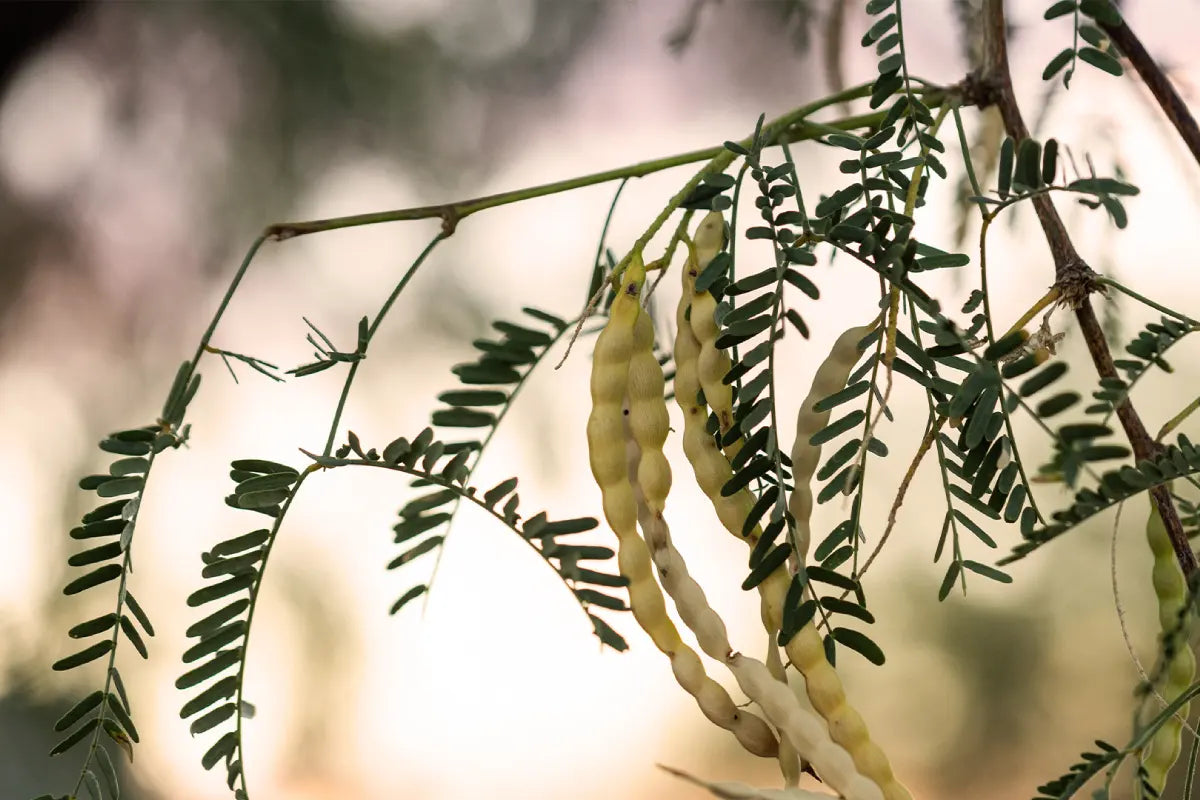
What is mesquite roasted coffee, and why try it?
Mesquite roasted coffee is coffee roasted over the direct heat of mesquite wood, built for bold character rather than sweetness alone. It carries a warmth that regular roasting methods rarely reach, shaped by real fire instead of a standard gas burner. That difference shows up clearly in the cup, not just in the process behind it.
This is not a gimmick or a marketing trick dressed up as tradition. It reflects a craft rooted in Mexican identity, where wood, heat, and patience shape every single batch. The roaster has to read the fire constantly, adjusting as the heat shifts from one moment to the next. That attention is part of what separates this method from anything automated.
Keep reading to see what that process actually changes, from aroma to strength, and how Huupa brings it to life. Once you understand the method, the flavor makes a lot more sense.
What is mesquite roasted coffee?
At its core, this coffee gets roasted using the heat of burning mesquite wood instead of gas or electric heat. The wood itself does not touch the beans directly, but its heat shapes how the beans develop as they roast. That method builds warmth, depth, and character without turning the coffee into something else entirely. Roasters who work this way often describe it as a more hands-on craft. The fire behaves less predictably than a simple dial on a machine, which means every batch asks for real attention.
Mesquite roasted coffee vs wood roasted coffee
Every mesquite roast counts as part of that broader wood-fired category, but not every version relies on mesquite specifically. Other types of wood bring their own heat profile and burn pattern, which changes the final character in subtle ways. Mesquite tends to burn hot and steady, giving roasters more control over consistency from one batch to the next.
Mesquite roasted coffee vs flavored coffee
Flavored coffee usually gets its taste from added oils or syrups sprayed onto the beans after roasting finishes. This process works differently: the fire itself shapes the bean's character, with nothing artificial added at any stage. The result feels more like a craft decision than a flavor shortcut pulled from a bottle.
Why roast coffee with mesquite wood?
Roasters choose mesquite for its heat consistency and the character it brings to the final cup. Fire roasting brings a level of craft that gas or electric heat rarely matches. The roaster has to stay present through the entire process. Mesquite burns hotter and more evenly than many other woods, which gives roasters tighter control over each batch.
It also carries a strong tie to Mexican craft traditions, where wood fire has shaped cooking and roasting for generations. Choosing mesquite is as much about honoring that history as it is about flavor and aroma.
What does mesquite roasted coffee taste like?
Expect a cup with real presence, not a loud or artificial edge. The notes below cover what most drinkers notice first, from the initial aroma to the finish. None of these notes need added flavoring to come through clearly.
-
Bold flavor without artificial additives. The intensity comes from real heat and real wood, not from added oils or syrups.
-
Warm and toasted nuances. Think roasted nuts or warm bread rather than anything sharp or bitter on the tongue.
-
Cocoa, nutty, and bittersweet possibilities. Many batches lean toward chocolate-like depth with a clean, dry finish.
Does mesquite roasting change the aroma?
Yes, noticeably. The aroma tends to carry warm, toasted notes with a subtle woodsy depth that feels rich rather than sharp or heavy. It stays rounded and inviting instead of turning harsh or overwhelming. That aroma often gives away the roast before the first sip does, filling the room the moment you open the bag. Many drinkers say that alone makes the morning routine feel a little more special.
Is mesquite roasted coffee strong?
It tends to feel bold rather than simply strong in caffeine terms. The wood-fire process shapes body and depth more than raw intensity, so the strength you notice comes from character, not sharpness. Drinkers looking for a fuller, more grounded cup usually find this roast satisfying without feeling harsh or overwhelming. That balance is part of what keeps people coming back to it.
Mesquite roasted coffee vs regular coffee
Comparing the two side by side makes the differences easier to notice and explain clearly. Most drinkers pick up on at least one of these differences right away, even without knowing the technical reason behind it.
-
Heat source. Regular coffee typically roasts over gas or electric heat, while this method relies on burning mesquite wood.
-
Flavor perception. Regular coffee can taste flatter or more one-note, while mesquite roasting adds extra depth and warmth to the cup.
-
Aroma and character. This roast tends to smell richer and feel bolder in the cup, with a personality that stands out from the first pour.
The Huupa difference: Mexican coffee with mesquite fire
Huupa builds its identity around one clear idea: coffee shaped by real mesquite fire, not shortcuts or additives. This is where mesquite roasted coffee stops being a novelty and becomes a daily ritual worth repeating morning after morning. That idea runs through every step, from sourcing the wood to packaging the final bag.
-
Roasted with mesquite wood. Every batch gets its character from real wood heat, sourced with care and consistency across seasons.
-
Built for aroma, character, and life. The goal is a cup that feels alive, not flat or forgettable after the first sip.
-
Not just any wood, not just any coffee. Huupa treats sourcing and roasting as part of one craft, not two separate steps handled by different teams.
Ready to taste coffee with a little Mexican fire behind it? Explore Huupa Coffee and try mesquite wood roasted coffee, bold, aromatic, and made for mornings that deserve more than basic beans.
Who should try mesquite roasted coffee?
This roast fits drinkers who want more presence in their cup without reaching for anything artificial. People bored with flat, predictable coffee tend to notice the difference right away, often after just one cup. It also suits anyone curious about Mexican coffee traditions built around fire and craft rather than shortcuts or gimmicks. Even drinkers who rarely think about roast method tend to notice something different here.
How to choose mesquite roasted coffee?
A few simple habits make it easier to pick a bag that actually delivers on that promise instead of just the label. These steps work whether you are buying online or in person.
-
Look for real wood roasting. Brands should clearly state that mesquite wood, not flavoring, shapes the final character of the beans.
-
Check the flavor profile. Look for notes like cocoa, toasted nuts, or bittersweet depth rather than vague marketing language.
-
Choose whole bean or ground. Whole bean stays fresher longer, while ground coffee offers convenience for daily use at home.
-
Try a sampler if you want to compare roasts. Sampling a few options makes it easier to find your favorite intensity and character.
Mesquite roasted coffee is not for people who want a forgettable cup. It is for coffee lovers who want aroma, character, and a little fire in the ritual. Explore Huupa Coffee and bring home Mexican coffee roasted with mesquite wood, bold flavor shaped by fire, craft, and identity. That is the kind of cup worth waking up for.
Referencias
- National Coffee Association. (n.d.). Roasts. About Coffee.
- Specialty Coffee Association. (2024, April 4). What color is your coffee?
- U.S. Department of Agriculture, Foreign Agricultural Service. (2026, May 13). Mexico: Coffee annual.
- International Coffee Organization. (2025, March 31). Mexico’s coffee value chain.