

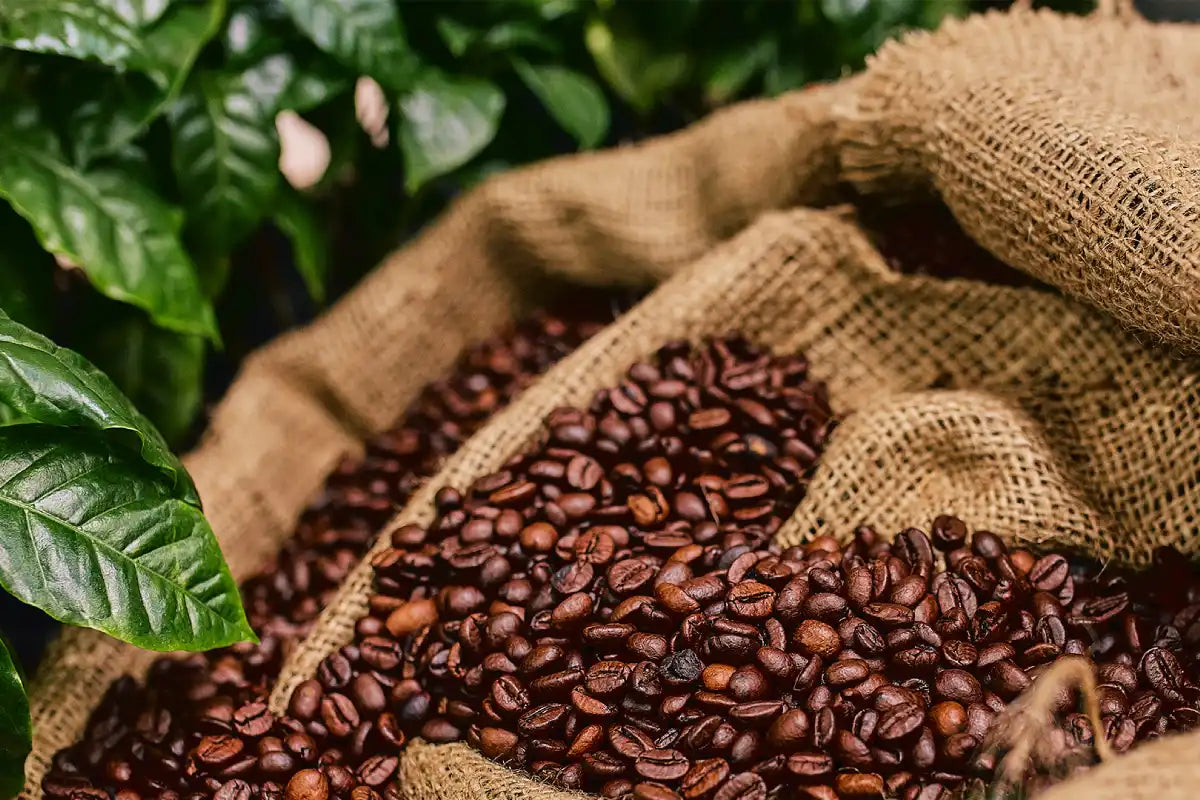
Best coffee beans: how to choose the right one
Finding the best coffee beans for your specific taste is a rewarding journey that transforms your morning routine from a simple habit into a true experience. Because the market is filled with industrial options, many consumers feel overwhelmed by technical labels and high prices that do not always guarantee quality. However, once you understand how origin and roasting impact the final cup, selecting the right beans becomes a simple and enjoyable task. At HUUPA, we believe in transparency, offering a unique Mexican coffee origin roasted with mesquite wood to provide a smooth, balanced alternative to traditional specialty coffee.
What are the best coffee beans for your taste?
Identifying your personal preference is the first step toward a better brewing experience at home. To find your ideal match, you should consider how different factors influence the complexity of the bean:
-
Flavor profiles explained: beans range from smooth and chocolatey to bold and acidic, depending on their processing.
-
How origin impacts taste: Latin American beans often feature nutty notes, while African varieties are known for floral and fruity acidity.
-
Texture and body: some beans provide a heavy, syrupy mouthfeel, whereas others offer a tea-like, light experience.
Flavor profiles explained: from smooth to bold
Understanding a flavor profile helps you predict if a coffee will be naturally sweet or intensely sharp. For instance, a smooth profile usually involves low acidity and notes of caramel or cocoa. In contrast, bold coffees offer a more striking presence on the palate, which is often preferred by those who add milk. Our wood-fired process focuses on creating a smoother, more balanced profile that highlights the bean's natural sweetness without the bitterness of industrial roasting.
How origin impacts taste
The coffee origin acts as the foundation for every other characteristic the bean will eventually develop. Environmental factors like altitude and soil composition in different regions create these distinct identities:
-
Latin America: generally known for balanced acidity and notes of chocolate or nuts.
-
Africa: recognized for high acidity, citrus flavors, and complex floral aromas.
-
Asia: often associated with earthy, herbal tones and a much heavier body.
Arabica vs. robusta: what is the real difference?
Choosing between arabica beans and robusta beans is fundamental because it determines the overall quality and caffeine content of your drink. While both are widely available, they serve very different purposes in the coffee world:
-
Taste and quality: arabica is prized for its varied, sweet flavors, whereas Robusta tends to be bitter and grain-like.
-
Caffeine content: robusta contains nearly double the caffeine of Arabica, but at the cost of a harsher flavor profile.
-
Growing conditions: arabica requires higher altitudes and more care, making it the standard for specialty coffee.
Which one should you choose for everyday coffee?
For a daily ritual that remains consistently enjoyable, arabica beans are almost always the superior choice. Because they offer a wider range of flavors, they allow you to explore different nuances without the rubbery aftertaste common in robusta. If you value a smooth experience that doesn't overwhelm your palate, high-quality arabica from a single origin is the way to go.
How to choose the best coffee beans without wasting money
Many people assume that a higher price tag automatically equals a better cup, but this is a common misconception. To ensure you are getting real value, you must look beyond the branding and focus on the technical details:
-
Check the roast date: always prioritize fresh coffee beans; if a bag lacks a specific date, it is likely stale.
-
Read the label: look for specific farm names or altitudes rather than vague regional descriptions.
-
Avoid oily beans: if dark roast beans are covered in oil, they may have been roasted too fast or stored poorly.
Roast levels: light, medium, or dark?
The roast level is what ultimately unlocks the flavors hidden inside the green coffee bean. Depending on how long the beans are heated, the taste will shift from acidic and bright to smoky and bitter:
-
Light roast: preserves the most original characteristics of the bean, offering high acidity and floral notes.
-
Medium roast: provides a balance of acidity and body, often bringing out chocolate and caramel sweetness.
-
Dark roast: focuses on the roasting process itself, resulting in low acidity and a bold, heavy flavor.
Best roast level for beginners
If you are just starting to explore specialty coffee, a medium roast is usually the most approachable option. It offers a "sweet spot" where you can taste the bean's origin without the intense acidity of a light roast or the bitterness of a dark roast. This balance makes it easier to appreciate the quality of the beans as you develop your palate.
What best coffee beans do coffee shops actually use?
The secret behind that smooth, professional taste often lies in the balance of the beans and the freshness of the grind. Most high-end shops use a specific blend designed to cut through milk while remaining sweet as a standalone espresso:
-
Freshness: they use beans roasted within the last two to four weeks for maximum aromatic impact.
-
Consistency: they choose beans with a stable moisture content to ensure every shot tastes the same.
-
Sourcing: they prioritize direct trade to ensure the farmers are paid fairly for their best crops.
Frequently asked questions
-
How do I know if coffee beans are fresh? Check for a "roasted on" date on the packaging. Ideally, you should consume your beans within one month of that date to enjoy their full flavor profile.
-
What roast level is the least bitter? Medium roasts tend to be the least bitter because they balance the bean's natural acidity with developed sugars. Very dark roasts are typically the most bitter due to prolonged heat exposure.
-
Are premium coffee beans worth the price? Yes, if the price reflects better ethical standards and a distinct flavor profile. You are paying for a superior product that supports sustainable farming and a better taste experience.
If you are looking for the best coffee beans that are easy to enjoy and crafted for real daily rituals, explore what Huupa Coffee has to offer. Discover a unique experience designed to elevate your routine without the guesswork.
References
- Bellwood Coffee. (2025). How to choose the right coffee beans for you.
- Coffee Guide. (2026). How to choose coffee beans: a complete guide using 5 key criteria.
- Coffee Ness. (2025). How to choose coffee beans: expert guide for home brewing.
- Coffee Lounge (De’Longhi). (2025). How to choose the ideal coffee bean for you.