

Difference between coffee and espresso: guide for enthusiasts
The difference between coffee and espresso lies primarily in the brewing method, grind size, and the resulting concentration of the beverage. While many people use these terms interchangeably, espresso is a specific preparation of coffee that requires high pressure and a fine grind. Consequently, understanding these nuances helps you choose the drink that best fits your energy needs and flavor preferences. At HUUPA, we celebrate these distinctions by providing a premium Mexican coffee origin roasted with mesquite wood to elevate every preparation.
Coffee vs. espresso: what is the real difference?
The fundamental difference between coffee and espresso is not the bean itself, but how hot water interacts with the grounds. Therefore, to distinguish them clearly, we must look at the mechanical process behind each cup:
-
Brewing method: espresso uses high pressure to force water through coffee, while drip coffee relies on gravity.
-
Grind size: espresso requires a very fine, powdery grind to create resistance, whereas drip coffee uses a coarser texture.
-
Extraction time: an espresso shot is ready in about 30 seconds, but a standard drip pot takes several minutes.
Brewing method: pressure vs. drip
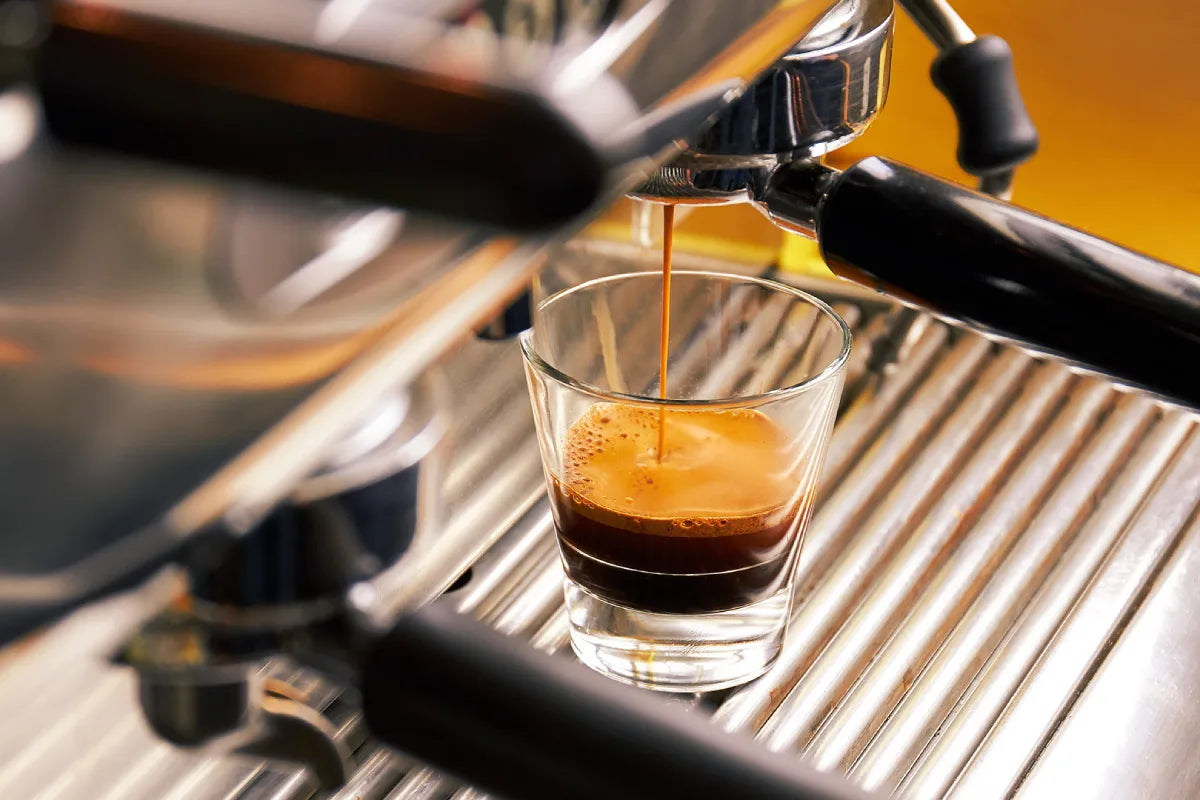
An espresso machine is designed to generate at least 9 bars of pressure to extract flavor quickly. In contrast, drip coffee brewers allow water to flow slowly through a filter, resulting in a lighter body. Because of this pressure, espresso develops a signature layer of foam on top known as crema.
Grind size and extraction time
The grind size is critical because it determines how much surface area of the coffee is exposed to water. Since espresso has a short extraction time, the fine grind ensures maximum flavor is pulled out almost instantly. Meanwhile, the coarser grind in drip coffee prevents over-extraction during the longer brewing cycle.
Is espresso stronger than coffee?
Determining which drink is "stronger" depends entirely on whether you are measuring flavor intensity or total caffeine. For instance, espresso is much more concentrated, but a standard cup of coffee usually provides a larger volume of liquid. Focusing on the following aspects clarifies this common confusion:
-
Flavor intensity: espresso tastes bolder because it has a lower water-to-coffee ratio than drip preparations.
-
Caffeine content: a single shot has less caffeine than an 8-ounce cup of coffee due to the serving size.
-
Viscosity: espresso has a thicker, almost syrupy mouthfeel compared to the watery consistency of regular coffee.
Flavor intensity vs. caffeine content
Many consumers mistake the bold, bitter notes of a dark roast for high caffeine content. However, the difference between coffee and espresso strength is often just a matter of concentration. While espresso hits the palate with more force, a full mug of drip coffee often contains more actual stimulant.
Why espresso tastes bolder
The intensity of espresso comes from the pressure brewing process, which emulsifies oils that are normally trapped in a paper filter. This creates a distinct flavor profile that is rich and complex. Consequently, espresso is the preferred base for milk-heavy drinks like lattes or cappuccinos.
Caffeine levels: which one has more?
When examining the difference between coffee and espresso for energy, you must look at the total ounces consumed. Although espresso has more caffeine per ounce, we rarely drink it in large quantities like we do with drip coffee. To manage your intake, consider these typical measurements:
-
Espresso shot: contains approximately 63 milligrams of caffeine per 1-ounce serving.
-
Drip coffee cup: contains roughly 95 to 128 milligrams of caffeine per 8-ounce serving.
-
Energy boost: coffee provides a steady, prolonged lift, while espresso offers a quick, sharp spike in alertness.
Espresso shot vs. cup of coffee
If you need a fast boost before a meeting, a concentrated shot is the most efficient delivery method. Nevertheless, if you enjoy sipping your drink over an hour, a standard cup of drip coffee is more appropriate. Both methods are effective, but they serve different parts of a busy daily schedule.
What gives you more energy
The total amount of caffeine entering your system is what ultimately determines your energy levels. Because a standard mug of coffee is significantly larger than a shot, it usually provides the highest total dose of caffeine. Therefore, drip coffee is often the better choice for those needing long-lasting focus.
Why does espresso taste different?
The unique taste of espresso is a direct result of the chemical changes that occur under intense pressure. This environment extracts different compounds than gravity-fed water, leading to a unique sensory experience. Key factors contributing to this taste include:
-
Concentration: espresso is highly concentrated, which amplifies both the sweet and bitter notes of the bean.
-
Colloids and lipids: the pressure forces oils into the liquid, creating a creamy texture and lasting aftertaste.
-
Acidity: espresso often features a brighter, more vibrant acidity than slow-brewed drip coffee.
Concentration and flavor profile
Because espresso is so concentrated, the quality of the bean is immediately apparent on the tongue. Using our wood-fired best coffee beans ensures that this intensity is balanced by a natural, smooth sweetness. This avoids the harshness found in mass-produced, over-roasted espresso blends.
The role of pressure in extraction
Pressure acts as a catalyst that pulls out flavors that are otherwise left behind in the grounds. This is why the difference between coffee and espresso is so noticeable even when using the same beans. The pressure creates a complex, multi-layered drink that serves as the foundation for modern cafe culture.
Can you use the same beans for coffee and espresso?
Technically, you can use any bean for either method, but most roasters create specific profiles for each. For instance, "espresso roasts" are usually developed longer to decrease acidity and increase body. To get the best results, keep these adjustments in mind:
-
Roast levels: darker roasts are traditional for espresso, while lighter roasts excel in drip and pour-over methods.
-
Grind adjustments: you must change your grinder settings whenever you switch between a drip machine and an espresso maker.
-
Freshness: fresh coffee beans are essential for both, but espresso is more sensitive to staleness due to the crema.
Roast levels and grind adjustments
If you use a coarse drip grind in an espresso machine, the water will fly through, resulting in a sour mess. Similarly, using an espresso grind in a drip machine will clog the filter and create a bitter, over-extracted brew. Therefore, the difference between coffee and espresso is often just a matter of proper preparation.
How brewing method changes the result
The same bag of HUUPA Coffee will taste remarkably different depending on whether it is brewed or pressed. Drip brewing highlights the subtle mesquite notes and floral aromas of the Sonoran Desert origin. Meanwhile, espresso preparation intensifies the caramel-like sweetness and rich body of our Mexican beans.
If you want to experience the difference between coffee and espresso for yourself, explore HUUPA Coffee and find your perfect balance. Discover the smooth daily ritual of our wood-fired beans today.
References
- Coffee Lovers. (2024). Espresso vs. coffee: Understanding the difference.
- Homegrounds. (2026). Espresso vs coffee: What exactly is the difference?
- Kitchen Institute. (2025). Espresso vs coffee: What’s the difference?