

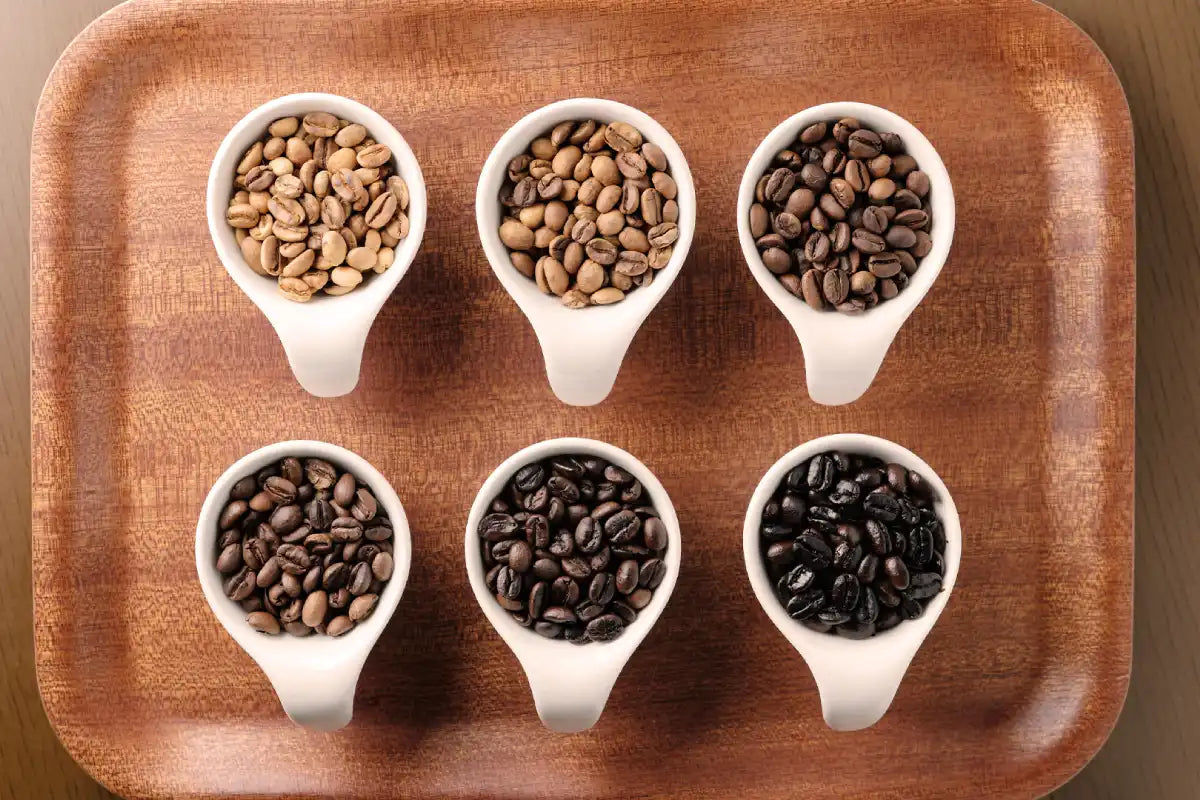
Types of coffee beans: everything you need to know
If you’ve ever felt confused by terms like Arabica or Robusta, you’re not alone. Understanding the different types of coffee beans is the first step to choosing coffee you’ll actually enjoy.
What are the four main types of coffee beans? Arabica, Robusta, Liberica, and Excelsa are the primary species that define global coffee production and taste. Once you know how each variety tastes and behaves, picking the right one becomes much easier.
What are the main types of coffee beans?
Choosing a bag of coffee involves more than just looking at the roast level. Actually, the specific variety of the bean dictates the foundational flavor profile and chemical structure of your brew. Consequently, understanding these plants is vital for every consumer. You will usually find two primary species in the market, though specialty collectors often look for rarer options.
To find your match, we invite you to explore Huupa Coffee, where we process premium beans using traditional Mesquite wood fired methods. We focus on clarity and quality so you can appreciate the work behind every bag.
Arabica: smooth, balanced, and widely loved
Arabica represents about 60% to 70% of the world's total coffee production and is prized for quality (NCA, n.d.). These types of coffee beans grow at high altitudes and require very specific climate conditions to thrive. Therefore, they often present a complex range of flavor notes, including fruits and sweetness.
-
Flavor. High acidity and sweetness.
-
Lipids. Arabica contains about 60% more lipids than other varieties (NCA, n.d).
-
Sugar. These beans have almost twice the sugar concentration of Robusta.
-
Caffeine. They typically contain 1.2% to 1.5% caffeine by weight (NCA, n.d).
Robusta: strong, bold, and high in caffeine
Robusta is the second most popular variety and is known for resilience and higher caffeine content. Because these types of coffee beans grow at lower altitudes, they develop a more bitter and earthy profile. You will often find them in blended coffee intended for espresso or traditional Italian roasts.
-
Caffeine. Robusta contains roughly 2.2% to 2.7% caffeine, making it very potent (NCA, n.d).
-
Antioxidants. It has higher levels of chlorogenic acid than Arabica.
-
Body. It produces a thick crema when brewed under high pressure.
-
Resistance. The plant is naturally resistant to pests and harsh weather.
Other varieties you might hear about
While Arabica and Robusta dominate the market, other rare types of coffee beans like Liberica and Excelsa exist. Liberica is known for its irregular shape and floral, woody aroma that some describe as unique. Meanwhile, Excelsa is technically a member of the Liberica family but offers a tart profile. These coffee varieties are mostly grown in Southeast Asia and rarely make it to the American market.
Arabica vs. robusta: what’s the difference?
The debate of arabica vs. robusta centers on comparing different types of coffee beans for their quality. Arabica offers a smooth experience with lower bitterness, while Robusta provides a heavy body and a caffeine kick. Most specialty roasters prefer Arabica because it responds better to light roasting techniques. Nevertheless, many people enjoy the intensity that a high-quality Robusta brings to a morning cup.
Understanding the bean origin is also crucial when comparing these two species. Arabica plants are delicate and expensive to maintain, which explains why they usually cost more. Instead, Robusta plants are easier to farm and produce higher yields per acre. Therefore, the choice often depends on whether you value delicate acidity or a bold, traditional coffee punch.
Which coffee bean tastes better?
Determining which types of coffee beans taste better is largely a matter of personal preference and brewing style. If you enjoy bright, floral, or tea-like qualities, you will likely prefer a single-origin Arabica. On the other hand, those who like a dark, chocolatey, and heavy mouthfeel might lean toward Robusta. Furthermore, your choice of brewing equipment significantly influences the final flavor results.
At HUUPA, we believe the roasting process is just as important as the bean variety itself. We use mesquite from the Sonoran Desert to roast our Mexican coffee origin beans over an open flame. This wood-fired method creates a smoother and more balanced profile without the harshness found in industrial roasts. By focusing on the process, we highlight the natural sweetness of the beans without needing artificial additives.
Which coffee beans have more caffeine?
If your primary goal is energy, you should pay attention to which types of coffee beans you buy. Robusta beans are the clear winner here, containing nearly double the caffeine found in Arabica. Specifically, Robusta has a concentration of approximately 22.0 grams of caffeine per kilogram of dry coffee. In contrast, Arabica offers about 12.0 grams per kilogram, providing a much gentler stimulation.
This higher caffeine content also serves as a natural defense mechanism for the Robusta plant. Because caffeine is toxic to many insects, the plant survives better in diverse tropical coffee regions. However, this extra caffeine contributes to the characteristic bitter taste that some drinkers find unpleasant. Most specialty roasters opt for Arabica to prioritize flavor over pure caffeine volume.
What coffee beans do coffee shops use?
Most high-end establishments exclusively use Arabica types of coffee beans to ensure a premium customer experience. These shops focus on highlighting specific flavor notes through precise brewing methods like pour-overs or siphons. Conversely, some commercial chains might use a blend to reduce costs and maintain a consistent, bold flavor.
It is also important to understand the difference between coffee and espresso when visiting your local shop. Espresso is a brewing method, not a type of bean, though roasters often select specific beans for it. A shop might use a Robusta blend for espresso to ensure a thick, lasting crema. However, specialty shops are increasingly using 100% Arabica for every drink on their menu.
Frequently asked questions
Understanding the nuances of your daily brew can lead to a much more satisfying experience every morning. We have compiled these common inquiries to help you master the art of coffee selection and preparation.
-
How should you store coffee to maintain its freshness? Proper storage is essential for preserving the volatile oils found within all beans over time. You should keep your coffee in an airtight container away from direct sunlight, moisture, and extreme heat. This method prevents oxidation and ensures that every cup remains flavorful and aromatic for several consecutive weeks.
-
What is the shelf life of whole bean versus ground coffee? While whole beans can stay fresh for several weeks, ground coffee begins losing its flavor within minutes of exposure. For the best experience, we recommend grinding your coffee right before brewing to protect the delicate flavor notes. High-quality beans usually peak within two weeks of their specific roasting date.
-
Are there specific varieties better suited for cold brew? Cold brewing works exceptionally well with heavy-bodied beans that have lower acidity and strong chocolate or nutty profiles. Many enthusiasts prefer using a medium to dark roast because the long extraction process highlights sweetness while minimizing bitterness. This method creates a smooth concentrate that is perfect for the summer.
-
Does growing altitude affect the chemical composition significantly? Growing coffee at higher altitudes slows down the ripening process, which allows the beans to develop more complex sugars. This environmental stress results in a denser bean with more concentrated flavors and a higher acidity profile. Therefore, high-altitude crops are often more sought after by specialty roasters located worldwide.
How to choose the right coffee beans for you?
Selecting the right types of coffee beans requires a basic understanding of your own flavor preferences and habits. You should consider the acidity, body, and aroma that you find most enjoyable in a cup. Additionally, you must consider the specific brewing method you plan to use at home.
-
Acidity. Choose Arabica if you like a crisp, bright taste in the morning.
-
Strength. Opt for Robusta if you need a significant caffeine boost to start your day.
-
Origin. Look for specific coffee regions to explore unique environmental flavor characteristics.
-
Process. Consider our Mesquite wood fired options if you want a smoother, more balanced profile.
Ready to find coffee that matches your taste? Explore Huupa Coffee and find carefully crafted blends designed to make choosing the right beans simple and enjoyable, from your very first cup.
References
- National Coffee Association of U.S.A. (NCA). (n.d.). About coffee: Origins, species, and varieties.
- World Coffee Research. (n.d.). Coffee varieties catalog.