

Coffee brewing methods: explore your ideal morning routine
Understanding coffee brewing methods helps you get the most out of your daily routine. Different techniques extract distinct flavors from your beans. Therefore, finding the right approach transforms your morning cup.
First, we will explore the main options to help you choose wisely. Additionally, knowing how each process works ensures you never settle for a mediocre beverage. The right choice balances extraction time, temperature, and technique to fit your lifestyle. Consequently, you can elevate a simple daily habit into an enjoyable experience. Ultimately, the perfect cup starts with the right approach.
Coffee brewing methods ranked by ease and flavor
The easiest coffee brewing methods are automated machines and simple immersion methods. By contrast, manual pouring offers much more control over the final taste. The ideal choice depends entirely on your habits and how much free time you have. Furthermore, balancing convenience with complex flavor is the ultimate goal for most people. Therefore, knowing your priorities makes the decision much easier.
Quick overview of the most popular methods
Here are the primary options you can choose from:
-
French press: immersion brewing that creates a heavy, rich body.
-
Pour over: manual pouring that highlights bright, delicate notes.
-
Drip coffee: automated brewing designed for maximum daily convenience.
-
Espresso machine: high-pressure extraction for a concentrated, intense shot.
-
Aeropress: a fast, versatile hybrid method that is highly portable.
-
Cold brew: a long, slow extraction that yields a highly smooth liquid.
How they compare at a glance
Comparing these options reveals clear functional differences. For example, manual brewing requires more focused attention and specific gear, whereas automated systems save significant time during rushed weekday mornings. Consequently, you must balance the required effort with your desired flavor outcome. Ultimately, no single approach is universally superior in every situation. Therefore, flexibility remains the key to a great coffee experience.
The most popular coffee brewing methods explained
Each technique brings something distinct to your cup. Specifically, the exact mechanics of water meeting coffee change the extraction. As a result, the exact same bean can taste entirely different. Let's break down how these popular setups work in practice. Exploring different coffee brewing methods requires understanding these basic mechanics.
Drip coffee: simple and consistent
This automated approach is incredibly reliable for everyday use. You simply add filtered water and fresh grounds to the machine. The hardware then handles the heating and timing for you. It is also perfect for busy mornings when you are rushing. It consistently delivers a familiar, comforting cup without extra effort. Modern machines often include convenient programmable timers. As a result, you can easily wake up to a fresh pot.
French press: bold and full-bodied
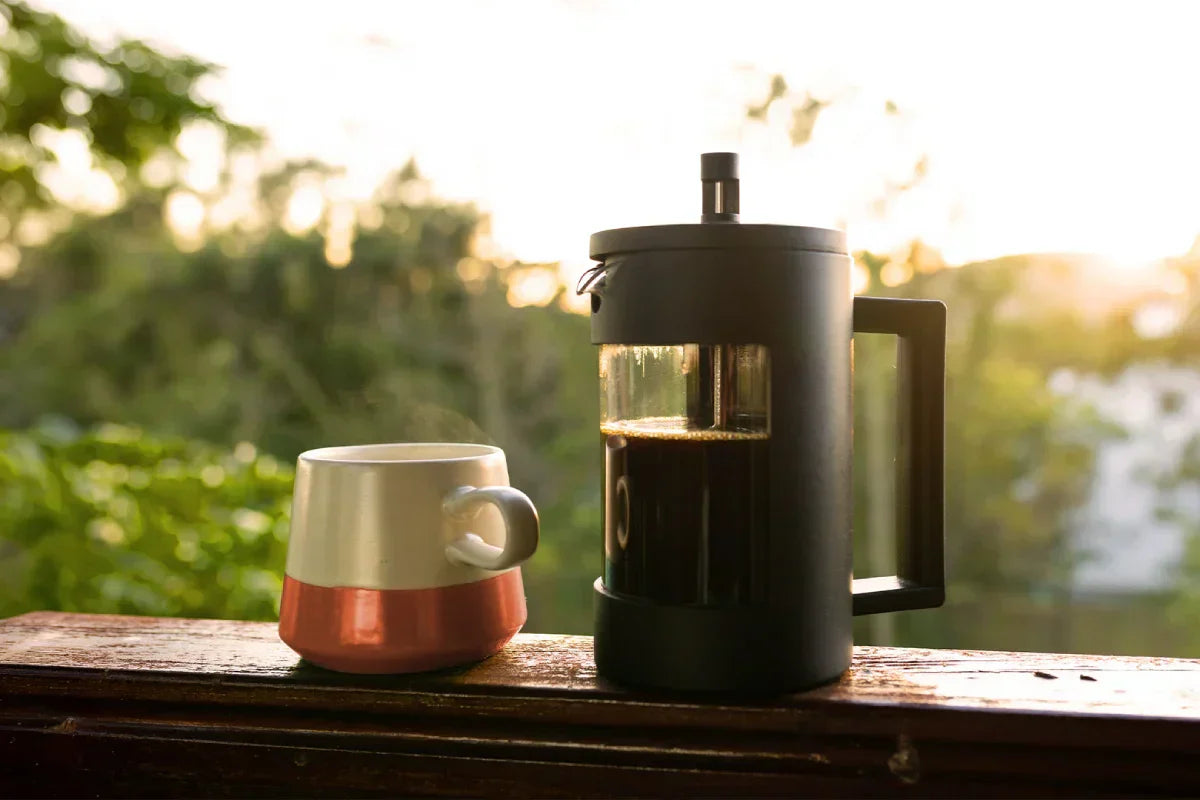
This immersion technique requires no paper filter. As a result, more natural oils and micro-grounds remain in your finished cup. It delivers a rich, deeply textured experience every time. However, it requires a fairly coarse grind to prevent harsh bitterness. Furthermore, the steeping process usually takes about four minutes. After that, you slowly plunge the metal mesh screen down. Overall, it is an excellent choice for a relaxed weekend morning.
Pour over: clean and balanced
This method involves pouring hot water slowly over fresh grounds. Consequently, you control the extraction time and water flow directly. It highlights delicate flavors and complex notes perfectly. Additionally, it provides a very clean finish because of the paper filter. You will need a specific gooseneck kettle for the absolute best results. Moreover, using a digital scale helps you maintain consistency every single time. Therefore, it strongly appeals to those who enjoy a mindful ritual.
Espresso: strong and concentrated
An espresso machine forces pressurized water through very fine grounds. As a result, it creates a thick, intense liquid topped with crema. Moreover, it serves as the fundamental base for lattes and cappuccinos. It is fast, taking only about thirty seconds to actually brew. However, it requires precise equipment and a bit of a learning curve. Furthermore, dialing in the perfect shot takes continuous practice and patience. Therefore, it demands more initial commitment than other setups.
Which coffee brewing methods are best for beginners?
Starting your coffee journey should always be a simple process. Choosing among coffee brewing methods depends on your current skill level. Therefore, you want techniques that easily forgive minor mechanical mistakes. Consequently, simplicity is crucial when you are just starting out.
Low-effort options that still taste great
Some setups guarantee success right from your very first day. Consider these highly accessible options:
-
Automated drippers: simply set the machine and let it run automatically.
-
Immersion steepers: just add hot water, wait a few minutes, and press.
-
Hybrid plungers: quick, highly forgiving, and very easy to clean daily.
Methods that require more precision
Other techniques demand much more attention to fine detail. For instance, manual pouring requires a steady, practiced hand. Additionally, pulling a great espresso shot takes significant technical practice. Therefore, save these specific approaches for when you have more free time. Furthermore, mastering them is incredibly rewarding once you understand the variables.
Which method makes the best-tasting coffee?
Taste is entirely subjective and varies from person to person. However, the chosen technique directly impacts the final liquid result. Specifically, the exact way water interacts with the grounds matters most. Therefore, finding your favorite profile requires a bit of pleasant experimentation.
How flavor changes by brewing style
Different setups extract distinct chemical compounds from the beans. For example, paper filters remove heavy oils completely, creating a crisp, clean taste. Meanwhile, a metal filter lets those rich oils pass right through. Furthermore, getting your coffee to water ratio right is absolutely essential for any technique. Consequently, small adjustments make a massive difference in the final cup.
Choosing based on your taste preference
If you prefer a clean cup, try a manual pour. Conversely, if you want a heavy body, use an immersion setup. Additionally, our distinct flavor profile shines brilliantly across various techniques. We offer wood-fired coffee roasted carefully with real mesquite from the Sonoran Desert. This specific process creates a smoother, more balanced profile. It is a Mexican coffee origin designed for truly demanding tastes. Therefore, you get a clearly differentiated product.
Which brewing method makes stronger coffee?
Many people seek a strong, bold start to their long day. However, strength means very different things to different individuals. Therefore, we must clearly define the terms before choosing an approach. Consequently, you can target the exact morning boost you genuinely need.
Strength vs. intensity explained
Strength technically refers to the precise ratio of dissolved solids. In contrast, intensity usually describes the perceived boldness of the flavor. For instance, a dark roast tastes very intense on the palate. However, it might not have a higher caffeine concentration. Therefore, understanding this distinction helps you brew smarter.
Best methods for bold flavor
If you want a bold punch, look at high liquid concentration. Try these specific, hard-hitting approaches:
-
High-pressure machines: high pressure creates an intensely concentrated liquid.
-
Stovetop pots: direct stovetop heating delivers a robust, heavy punch.
-
Cold steeping: long extraction yields a heavy, highly caffeinated liquid.
How to choose the right coffee brewing method
Selecting the best approach requires honestly assessing your current lifestyle. Comparing coffee brewing methods reveals that convenience often dictates our final choices. Above all, you should genuinely enjoy the entire daily process.
Based on time, effort, and equipment
First, consider your morning schedule and available time. If you have only five minutes, automate the entire process. However, if you enjoy rituals, invest in quality manual gear. Furthermore, your budget plays a crucial role in equipment choices. For a deeper understanding, you can research external coffee extraction principles from trusted culinary sources.
Matching a method to your daily routine
Your daily routine greatly influences your ideal setup. For a quick exit, a programmed drip works best, while leisurely weekend mornings are suited for detailed manual pouring. Flexibility is essential for an optimal experience, so you might choose different methods depending on the day. Adapting to your schedule can help reduce daily stress.
Not sure which method fits your routine?
Start with a high-quality bean that works beautifully across styles. You likely need a clear alternative to standard industrial options. Explore our unique, carefully crafted offerings. We provide authentic, well-presented options without unnecessary complexity.
Explore HUUPA Coffee and find blends designed to deliver great flavor. You can learn more in our detailed brewing guide. Start your journey toward a better morning cup today.
References
- Café Cravings. (2026). Coffee brewing methods compared: Find your perfect brew.
- The First Sips. (2026). Which coffee brewing method is best for beginners?
- Zarchen, J. (2023). Moka pot vs. French press: What’s the difference and which is better? Architectural Digest.