

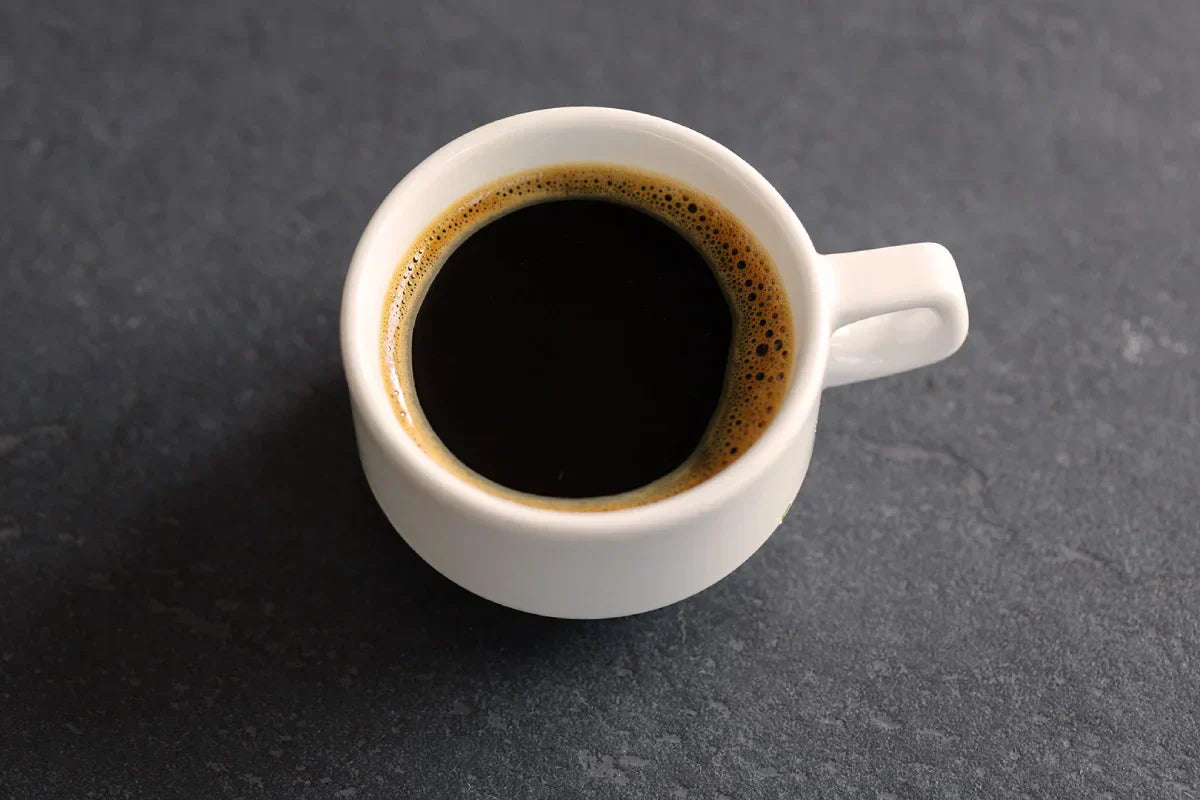
Coffee intensity scale: how to finally understand strength vs. flavor
"Strong," "bold," and "intense", these words are everywhere on coffee packaging, but what do they actually mean for you? Many people assume intensity is just about caffeine, but that is not always true for your daily morning brew. A coffee intensity scale measures the concentration of dissolved coffee solids and the sensory impact of the specific roast.
Understanding the coffee intensity scale helps you choose a coffee that matches your taste, not just your expectations. Once you know how each variety behaves, picking the right one becomes much easier and far less frustrating.
What does coffee intensity really mean?
Many consumers confuse the physical energy boost with the actual sensory experience they feel while drinking their morning cup. Strictly speaking, intensity refers to the degree of flavor concentration and the mouthfeel rather than just the caffeine content. You should look for a balance between the natural oils of the bean and the depth of the roast. This distinction allows you to identify which profiles suit your palate without overstimulating your nervous system during the day.
To find your perfect match, we invite you to explore Huupa Coffee, where we process premium beans. We use traditional mesquite wood-fired methods to ensure a smooth, balanced experience that highlights the natural quality of the grain. Our focus is on providing clarity so you can appreciate the craftsmanship behind every single bag we offer to you.
The coffee intensity scale explained
Understanding how producers categorize their products helps you navigate the supermarket shelf or online store with much more confidence. Most brands use a numerical system or descriptive labels to indicate how powerful the sensory experience will be for you.
Low, medium, and high intensity levels
The coffee intensity scale usually ranges from one to ten, though some specialty brands might use different proprietary systems. Low-intensity coffees often feature bright acidity and floral notes, which are very common in lightly roasted Arabica beans. Medium intensity options provide a balanced mouthfeel with hints of nuts or chocolate, making them ideal for most daily drinkers. Finally, high-intensity coffees offer a heavy body and lingering bitterness that stands out even when you add milk.
-
Low levels. These highlight the delicate and acidic flavor body found in high-altitude crops from specific regions.
-
Medium levels. They offer a reliable and consistent coffee profile that works well with almost any brewing method.
-
High levels. These are often associated with darker roasts that provide a more traditional and pungent coffee drinking experience.
How do brands represent intensity?
Producers often use icons or bold numbers to simplify the decision-making process for the average person buying a bag. You might see a scale of coffee beans or a simple digit that summarizes the overall impact of the brew.
However, these numbers are subjective and vary significantly between different companies and their specific internal testing standards for quality. It is always better to read the detailed description of the roast and the origin for a better understanding.
What affects coffee intensity?
Several factors throughout the journey from the farm to your kitchen contribute to the final reading on the coffee intensity scale. Both the biological nature of the plant and the technical skill of the roaster play essential roles here.
-
Roast level and flavor development. Applying more heat for a longer time increases the roast intensity and creates a much darker appearance. This process breaks down the complex sugars in the bean and develops those deep, smoky, and chocolate-like sensory notes.
-
Grind size and brewing method. A finer grind increases the surface area, which leads to a higher bitterness level if not carefully timed. Using a French press or an espresso machine will naturally produce a more intense cup than a standard drip.
Does dark roast mean stronger coffee?
There is a common misconception that a darker bean automatically translates to a higher level of caffeine for the drinker. In reality, the caffeine strength remains relatively stable or even decreases slightly during the prolonged roasting process at high temperatures. Dark roasts are physically less dense, so a scoop of dark beans may actually contain less caffeine than light beans. Therefore, a high rating on the coffee intensity scale refers more to the bold taste than the energy boost.
You must choose based on whether you want a punchy flavor or a higher concentration of natural stimulants in coffee. Arabica beans typically contain between 1.2% and 1.5% caffeine by weight, regardless of how dark they are roasted. Robusta varieties are much more potent, containing roughly 2.2% to 2.7% caffeine, which contributes to a very powerful sensation (NCA, n.d.). Understanding this chemical difference is key to mastering the coffee intensity scale and choosing your preferred daily beverage.
How to choose the right coffee intensity
Finding your ideal spot on the coffee intensity scale depends on your personal taste and how you enjoy your drink. You should consider whether you prefer drinking it black or if you usually add cream, sugar, or alternative milks.
-
Morning routine. If you need a wake-up call, look for a high coffee strength to start your productive day.
-
Flavor preference. Choose a medium intensity if you value a balanced and sweet cup that is easy to drink.
-
Milk additions. Darker and more intense beans hold their character better when mixed with dairy or creamy plant-based milk alternatives.
-
Brewing gear. Match your bean intensity to your equipment, as espresso needs more body than a delicate pour-over method.
Frequently asked questions
Learning about the technical side of your beverage can help you refine your palate and enjoy every single sip. We have gathered some specific questions that help clarify the relationship between the bean and the final intensity you experience.
-
How does water temperature change the perceived intensity of the brew? Using water at 92°C to 96°C ensures you extract the right amount of oils without burning the delicate grounds. If the water is too cold, the coffee will taste weak and sour, regardless of the bean quality.
-
Can the age of the beans lower the intensity level over time? Freshly roasted beans contain more volatile compounds that contribute to a much more vibrant and intense sensory experience for you. As beans age and oxidize, they lose their aromatic punch and can taste flat, woody, or even slightly papery.
-
Does the mineral content of water affect the final strength of the cup? Water with high mineral content can inhibit the extraction of flavors, leading to a dull and less intense profile. Using filtered water allows the natural characteristics of the types of coffee beans to shine through much more clearly.
-
Is it possible to have a high-intensity decaf coffee for the evening? Yes, the decaffeination process removes the stimulant but leaves the flavor compounds and the potential for a dark roast. You can enjoy a bold and full-bodied cup without the jittery effects of caffeine late at night or in the afternoon.
How coffee brands measure intensity
At the end of the day, consistency is the most important factor for a brand when they assign a value on the coffee intensity scale. To achieve this, most companies use professional tasters who evaluate the body, bitterness, and overall impact of the brewed liquid in controlled environments. In doing so, they ensure that every bag labeled "Intense" provides the same powerful experience that the loyal customer expects every time. Ultimately, this rigorous testing ensures that the bold vs. mild distinction remains clear and helpful for the final consumer.
So, if you are ready to stop guessing and start enjoying coffee that truly fits your taste, explore Huupa Coffee. There, you’ll find blends crafted with the perfect balance of flavor and intensity for your daily routine and elevated coffee experience. We focus specifically on Mexican coffee origins to bring you the highest quality beans roasted with artisanal care and precision. Beyond the roast, our unique process ensures that every cup reflects the heritage and the hard work of our dedicated regional coffee producers.
References
- Berry College. (2025). Do light roasts or dark roasts have more caffeine?
- National Coffee Association of U.S.A. (NCA). (n.d.). About coffee: Origins, species, and varieties.
- Strong, A., et al. (2024). Coffee roast level, timing, and carbohydrate source affect peak blood glucose and area under the curve values in a randomized pilot clinical trial. Nutrients. PubMed Central (PMC).