

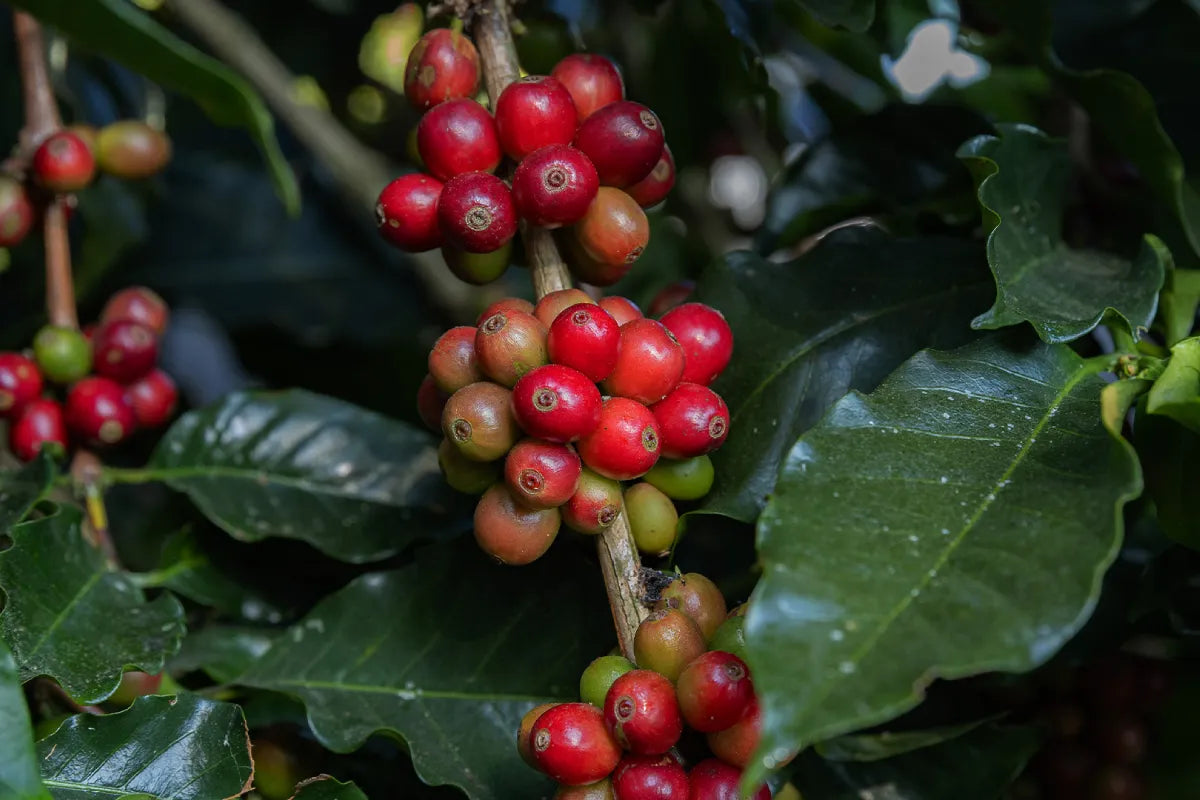
Geisha coffee beans: how to judge a lot before you buy
Geisha coffee beans carry a higher price because rarity, altitude, tiny harvests and honest traceability travel inside the same bag. Marketing never creates that gap; agronomy does. Before you spend, discover coffees with remarkable specialty profiles and learn to read a label with confidence.
Below, you get the real reasons behind that premium, plus the Gesha spelling question solved. You also get a checklist to audit any lot, the flavors to expect and a straight verdict. Does this variety fit your coffee ritual? Keep reading.
Why geisha coffee beans cost more than your usual bag
The premium starts in the field, not in the ad copy. Geisha grow tall and lanky, set little fruit, and turn floral only at high elevations. Producers pick by hand, ferment each lot alone, and roast with restraint. Every one of those steps costs hours that high-volume lots never pay for.
Meanwhile, the appetite for traceable specialty coffee keeps climbing worldwide. That is why geisha coffee beans cost what they cost: scarcity plus documentation, never a fancy name. Two forces explain most of that gap.
High mountains sharpen the cup
Altitude slows ripening, which builds sugar in the cherry and the bright acidity Geisha shows off. Mexican coffee grows mostly in Chiapas, Veracruz and Oaxaca, where mountains reach those heights. Growers there accept smaller yields for cleaner, more aromatic beans. Consequently, a stated elevation hands you a real clue about the cup.
A delicate plant and a tiny harvest
The Caturra variety, a Bourbon mutation prized as a compact coffee plant and a high-yield cultivar, fills bags quickly. Geisha does the opposite. One farm may fill a handful of bags per season, so pickers revisit the same rows for fruit at peak ripeness. The producer then keeps it apart from every other variety. All that labor, plus the risk of a fragile crop, lands in the price of geisha coffee beans.
Geisha and Gesha: one variety, two spellings
You will find both versions on bags, menus and roaster newsletters. The gesha variety answers to both spellings, so neither one promises better quality. Its Ethiopian genetics traveled from wild forests through research stations into Latin American coffee farms, which adapted the plant to their own terroir.
Coffee plant genetics explain the aromatics; the word on the bag explains almost nothing. What matters sits in four data points: producer, elevation, process and roast. Read those and the spelling debate loses its power. Three clarifications settle the rest:
• Gesha and Geisha name one variety, and each roaster simply picks a spelling.
• The plant grows in several origins, Mexico included, and every terroir reshapes the cup.
• Producer, altitude, process and roast predict the quality of geisha coffee beans better than any name.
From here on, you judge a lot by evidence, which is what the next section asks you to gather.
A checklist to judge whether a geisha lot earns its Price
A premium price should arrive with premium information. Transparency, in this trade, works like a receipt. When a page names the farm, the region, the elevation and the process, you trace your cup back to a real harvest. When it only whispers “exclusive”, you fund adjectives instead of agronomy.
Among all the types of coffee beans on a shelf, geisha coffee beans deserve the closest reading, since their price sits far above average. Professional cupping protocols reward that transparency. Run this audit before you pay.
|
What to verify |
Strong buying signal |
Warning sign |
|
Producer |
The farm or producer appears by name |
Only the country shows up |
|
Origin |
Region and lot carry an identity |
“Premium origin” without details |
|
Altitude |
Growing elevation appears clearly |
No cultivation information |
|
Process |
Washed, natural or honey is stated |
The process stays hidden |
|
Flavor notes |
Specific sensory references |
Only “luxury” or “exclusive” |
|
Availability |
Harvest date or lot size is explained |
Artificial urgency |
|
Price |
Traceability and quality support it |
Little detail about the coffee |
Two warning signs in a row? Put the bag down and keep looking.
What geisha coffee beans taste like in the cup
Think tendencies, never promises. Most lots open with a floral aroma, and jasmine notes fill the kitchen while you brew. A tea-like body replaces heavy mouthfeel, while a delicate acidity carries peach, citrus or tropical fruit. That legibility forms much of what makes coffee premium.
Even so, terroir, fermentation, roast and your recipe pull the cup in different directions. A medium roast protects the aromatics of geisha coffee beans, while a darker one trades them for depth. A pour-over with medium grind and water near 92°C keeps the florals in focus. Skip the sugar, since a good Geisha already brings its own.
Are geisha coffee beans worth it for you?
Answer one question honestly: which cup makes you happy? Cafeseros who love clarity, florals and a light-footed body usually fall for this variety on the first pour. Anyone who craves chocolate, nuts and syrupy body prefers another cultivar, and that taste deserves respect.
The best coffee beans for you are the ones your palate keeps requesting, not the rarest ones online. Reputation alone makes a poor guide, since two lots from neighboring farms can taste nothing alike. Traceability weighs in too, because documented geisha coffee beans tell a story you can taste. Five moves help you decide:
• Order it when floral, tea-like cups already excite you.
• Order it when producer, origin and small harvests guide your buying.
• Start with the smallest bag available before you commit to more.
• Pick another variety when a heavy body and dark-roast intensity win your day.
• Compare producer, elevation and process before you compare prices.
Rarity also pushes people into large bags too soon, and a dark roast quiets the florals a delicate lot offers. Taste first, then stock up.
Frequently asked questions
A few doubts surface every time this price tag appears. Price comes first, then the name, then the origin. The answers below stay short, practical and free of jargon, so you shop with a clear head. Each one points to something you can verify on a label or a product page, in under a minute.
None of them asks you to take a barista course, and they work as a script with any roaster, online or in person. If a seller dodges these questions, read that silence as data. Here go the three we hear most often from home brewers.
-
Is Gesha the same as Geisha?
Yes. Both spellings describe one variety, and roasters choose between them out of habit. Judge the lot by producer, elevation, process and roast instead.
-
Does Geisha always come from Panama?
No. Panama coffee built the international fame of this variety, yet other origins grow it too. Mexican mountains in Chiapas, Veracruz and Oaxaca deliver Geisha lots with their own floral signature.
-
How do I recognize a quality lot?
Look for a named producer, a stated elevation, a declared process and specific sensory notes. Add a visible harvest date, and you hold enough evidence to weigh the price.
Meet HUUPA Coffee and its seasonal geisha releases
HUUPA roasts over mezquite firewood from the Sonoran desert, and that fire lifts what Mexican mountains have already built. Geisha has appeared among our seasonal specialty varieties, beside Caturra, Garnica, Typica, Bourbon and other limited selections. Every release states what this guide taught you to demand: producer, Mexican origin, elevation, process, roast and notes.
Availability shifts with each harvest, so the specialty variety page holds the current truth. Open it and choose the lot your ritual deserves.
References
- International Coffee Organization. (2023). Coffee report and outlook: December 2023. International Coffee Organization.
- Servicio de Información Agroalimentaria y Pesquera. (2023). Panorama agroalimentario 2023. Secretaría de Agricultura y Desarrollo Rural.
- Specialty Coffee Association. (2024). Coffee value assessment. Specialty Coffee Association.
- United States Department of Agriculture, Foreign Agricultural Service. (2024). Coffee: World markets and trade. USDA Foreign Agricultural Service.
- World Coffee Research. (2024). Arabica coffee varieties: Gesha. World Coffee Research.