

Coffee processing methods: a complete guide for coffee drinkers
Coffee processing methods decide what happens to the cherry right after harvest, long before a single bean gets roasted. Washed, natural, honey, and carbonic maceration are not flavors added at the end of the process. They are choices made at the farm that shape a coffee's clarity, sweetness, body, and aroma.
This guide walks through the main coffee processing methods and explains how each one tends to influence the cup. It also shows how HUUPA applies these same ideas across its own lineup.
Shoppers comparing bags side by side keep seeing the same handful of terms on every label. Knowing what each term changes in the cup makes those labels easier to read. A clear label saves time at checkout and prevents costly guesswork.
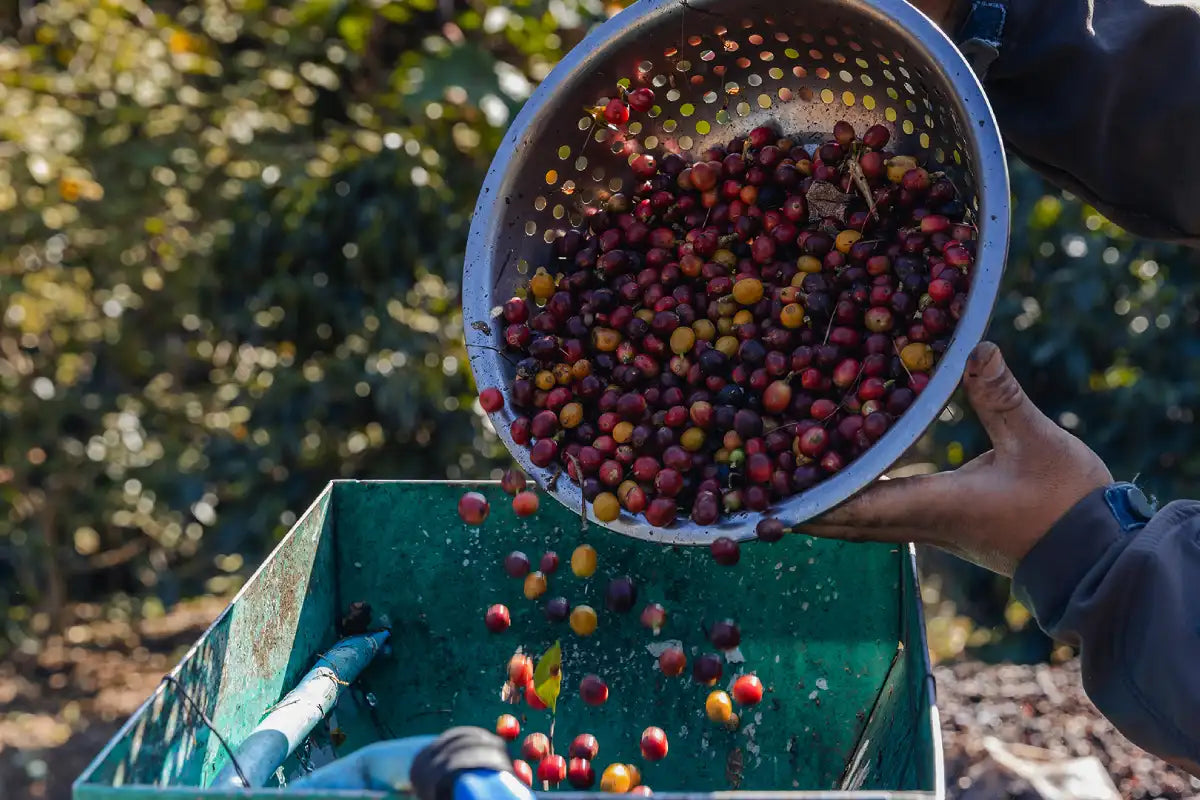
Processing begins after the coffee cherry is harvested
Once coffee cherries leave the tree, producers have only a short window to decide how the fruit gets removed or left to ferment.
The route looks simple on paper: coffee cherry, fruit removal or fermentation, drying, green coffee, roasting. Each stage still carries real consequences for the final cup and its balance.
Washed lots typically begin with mechanical depulping, which strips the skin and pulp before fermentation even starts.
Coffee fermentation then converts natural sugars into acids and aromatic compounds that later shape what you taste in the cup.
During this window, microbial activity and seed metabolism interact closely with the pulp and mucilage. That interaction can shape flavor precursors that later appear once the coffee gets roasted and brewed.
Understanding coffee processing methods starts here, at the moment the fruit leaves the tree, not later at the roaster.
The main coffee processing methods at a glance
Before comparing coffee processing methods side by side, it helps to see what happens to the cherry in each one.
Mucilage removal levels differ across washed, honey, and natural lots, which explains most of the cup differences shown below.
The table below summarizes six common approaches and the cup tendencies usually associated with them.
|
Process |
What happens |
Common cup tendency |
|
Washed |
Pulp and mucilage are removed before drying |
Clean, defined, and bright |
|
Natural |
The whole cherry dries around the seed |
Fruity, sweet, and fuller-bodied |
|
Honey |
Some mucilage remains during drying |
Sweetness with balanced clarity and body |
|
Semi-washed |
Part of the fruit is removed before drying |
Rounded body and moderate clarity |
|
Anaerobic |
Fermentation occurs with limited oxygen |
Intense and unusual aromatics |
|
Carbonic maceration |
Whole cherries ferment in a controlled environment |
Expressive fruit and aroma |
These descriptions describe tendencies only, never guarantees carved in stone. Variety, ripeness, temperature, fermentation conditions, and drying coffee correctly still shape the final result in measurable ways. Buyers who keep this table in mind tend to make faster, more confident choices.
Washed, natural, and honey create the clearest contrast
Three coffee processing methods offer the easiest starting point for anyone comparing profiles for the first time. Here's what each one tends to deliver:
-
Washed favors definition, producing a cup that reads clean and precise.
-
Natural usually emphasizes fruit and body, leaning toward a sweeter, fuller cup.
-
Honey sits between both approaches, balancing clarity with added sweetness.
This comparison covers only the basics that matter for a first decision. Separate guides dive deeper into natural, honey, and washed-versus-natural coffees for readers who want more detail. Small shifts in process create real, tastable shifts in the cup.
Modern fermentation adds more variables
Beyond the three classic approaches, newer techniques introduce extra variables that push coffee processing methods into more experimental territory:
-
Anaerobic processing limits oxygen during fermentation.
-
Carbonic maceration ferments whole cherries inside a sealed, controlled environment.
-
Longer fermentation does not automatically mean better coffee in the cup.
These methods demand tightly controlled variables. A long fermentation window alone never proves quality on its own.
Choose a process according to the cup you enjoy
Once you understand coffee processing methods, matching a process to your own taste becomes far more practical than memorizing definitions.
|
If you prefer… |
Start with… |
|
Clean and defined flavors |
Washed |
|
Fruit-forward sweetness |
Natural |
|
Sweetness with more clarity |
Honey |
|
Strong body and rustic character |
Semi-washed |
|
Unusual and intense aromatics |
Anaerobic |
|
Highly expressive fruit notes |
Carbonic maceration |
Process is just one of the factors that makes a coffee worth choosing. Origin, variety, altitude, roast level, and stated flavor notes all deserve a look before you decide.
Roast level can soften or sharpen these tendencies. Pairing a lighter roast with a washed lot often keeps that clarity intact.
HUUPA uses different processes across its coffees
HUUPA Classic, Premium, Intense, and Extreme currently identify washed processing, a route chosen for clarity and consistency across every batch.
Specialty Bourbon Typica takes a different path: a honey process that preserves part of the mucilage during drying. That choice adds sweetness without losing definition.
|
HUUPA coffee |
Process |
What the buyer can compare |
|
Classic |
Washed |
Balance, cocoa, and nuts |
|
Premium |
Washed |
Sweet aroma and smoothness |
|
Intense |
Washed |
Body and dark-roast intensity |
|
Extreme |
Washed Robusta Romex |
Pronounced character |
|
Bourbon Typica |
Honey |
Sweetness, acidity, and syrupy texture |
HUUPA applies these coffee processing methods across a small, clearly labeled lineup rather than dozens of shifting micro-lots.
After processing, every batch is wood-fired with mesquite from the Sonoran Desert. That step shapes the roast profile of this Mexican coffee origin while keeping the cup balanced.
That final stage of green coffee preparation- careful sorting and storage before roasting- protects what the process already built into the bean. Skipping it wastes every careful decision made earlier at the farm.
Taste what processing actually changes instead of treating every label as technical jargon. Explore specialty coffees shaped by origin and process, and compare how washed and honey lots shape the cup.
How to read the process on a coffee bag
Reading coffee processing methods off a bag becomes easy once you know which single word to look for.
A bag of Mexican coffee beans usually lists the process near the origin and altitude, though wording varies from one roaster to the next.
Look for the process name first: washed, natural, honey, semi-washed, anaerobic, or carbonic maceration. That word alone tells you more than most tasting notes.
Roast date matters just as much, since freshly roasted coffee loses aromatic complexity within weeks. The process only shows its full character close to that date.
If a label lists a fermentation time or lot number, treat it as added context, not proof that one process outperforms another.
Avoid these processing myths
Every myth below assumes coffee processing methods work like a marketing label instead of a real production decision.
Consumer confusion around terms such as honey, natural, and washed is common, which makes plain-language explanations essential for every buyer.
A first myth treats longer fermentation as automatically superior, yet uncontrolled fermentation just as often produces defects instead of complexity.
A second myth assumes natural process always means added flavor. In reality, the fruit drying around the seed only influences the cup and is never added afterward.
A third myth claims what makes coffee premium is one single process name. Origin, variety, altitude, and roasting all carry equal weight in that same equation.
Once these myths are cleared up, a bag of coffee becomes easier to judge on its own merits instead of its label.
The process on the label works as a preview, not a promise. Explore HUUPA Coffee, compare its washed and honey lots, and choose the clarity, sweetness, body, and aroma that fit your cup.
References
- Specialty Coffee Association. (n.d) Finding your way around in the processing revolution.
- Specialty Coffee Association. (n.d.). The Fermentation Effect.
- Specialty Coffee Association. (n.d). Coffee Value Assessment.